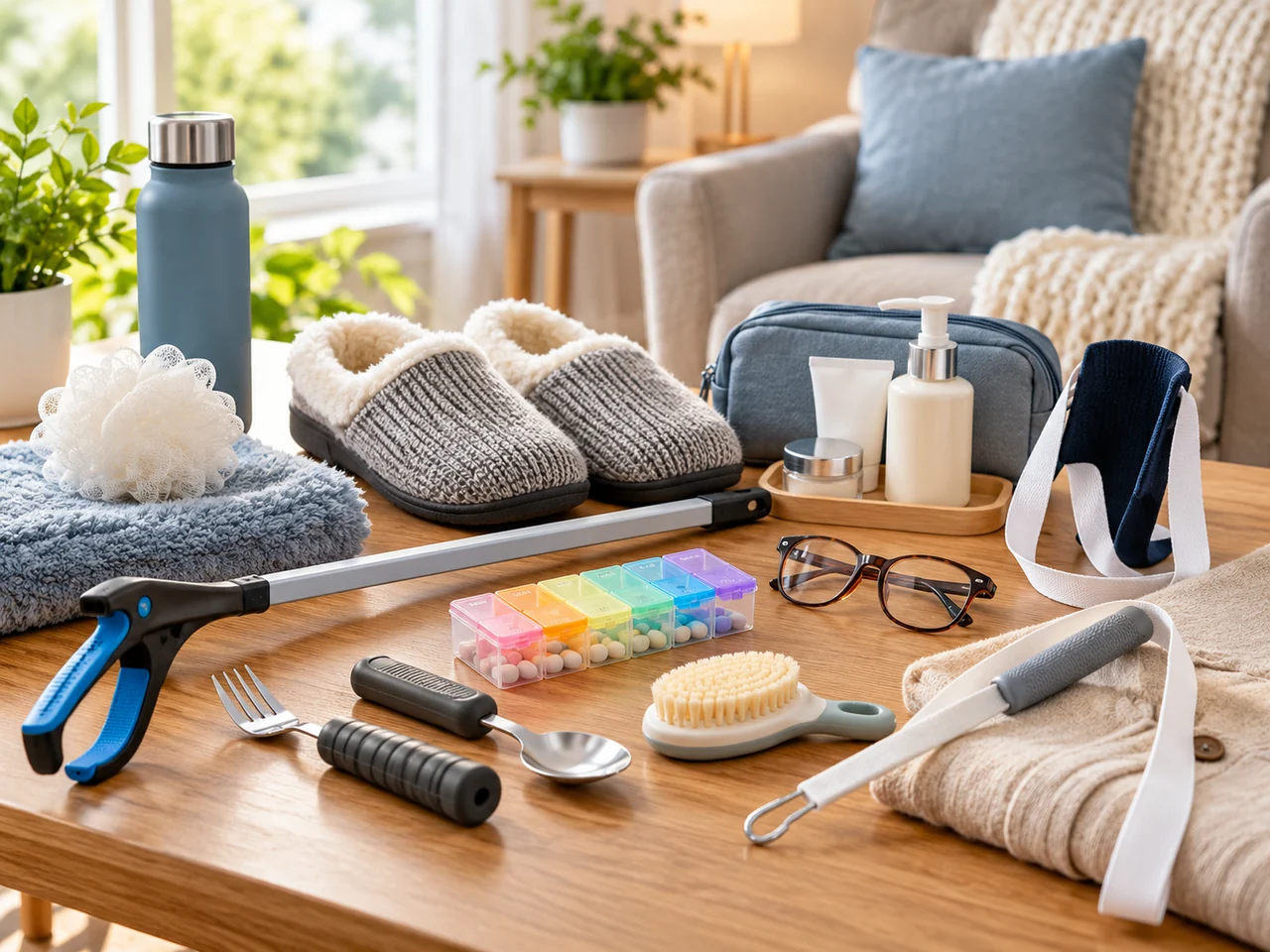
1. Senior Daily Living Essentials
Everyday products for comfort, personal care, dressing, and independent living.
View products →
Senior Care Products, Adult Family Home Supplies & Caregiver Essentials
Explore product categories for seniors, families, caregivers, and Washington Adult Family Home providers. Choose a category to view its current products in a popup without leaving this page.
Select a category below to explore the available products.
Everyday products for comfort, personal care, dressing, and independent living.
View products →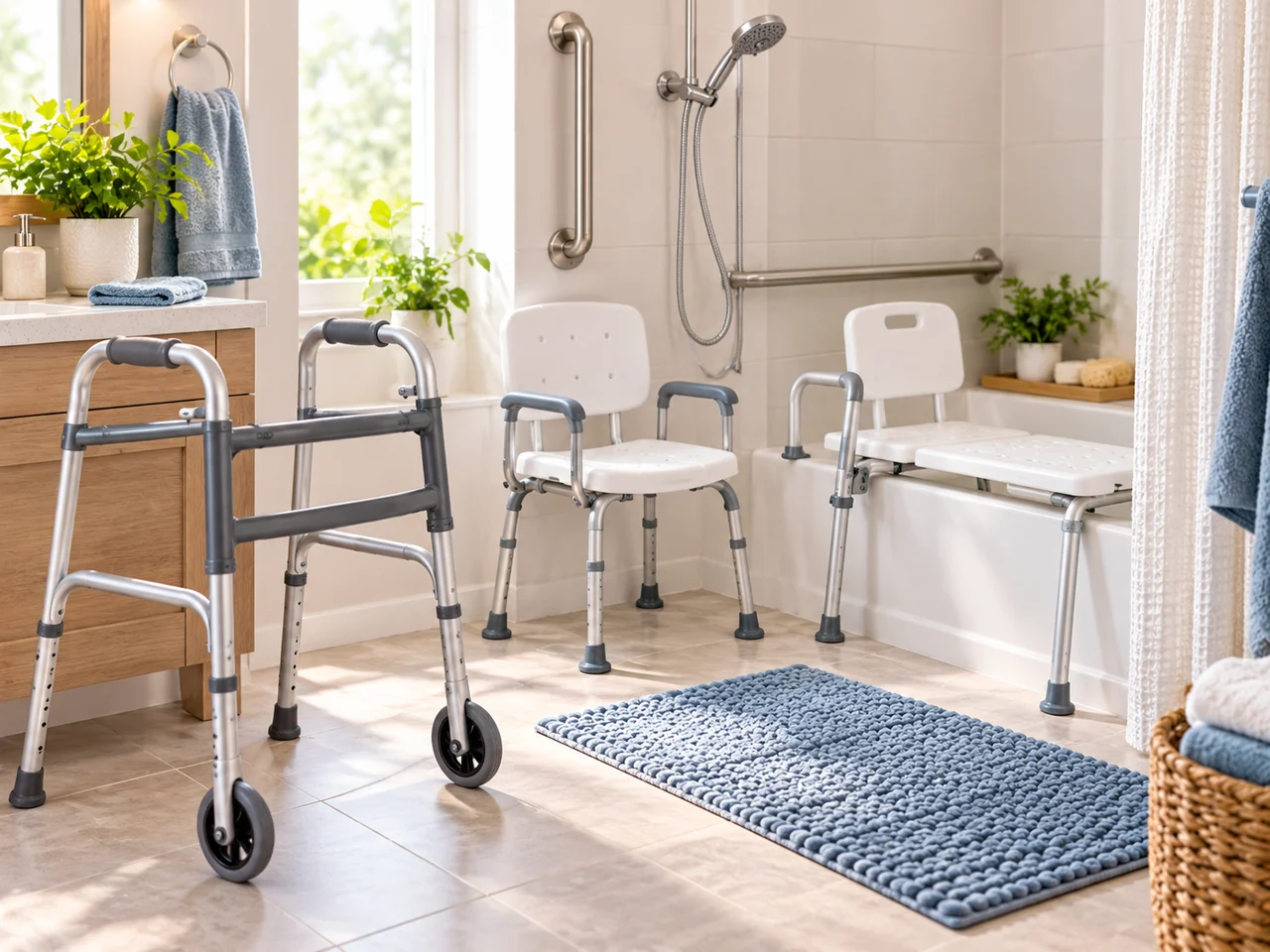
Shower chairs, grab bars, walkers, and transfer aids for everyday support.
View products →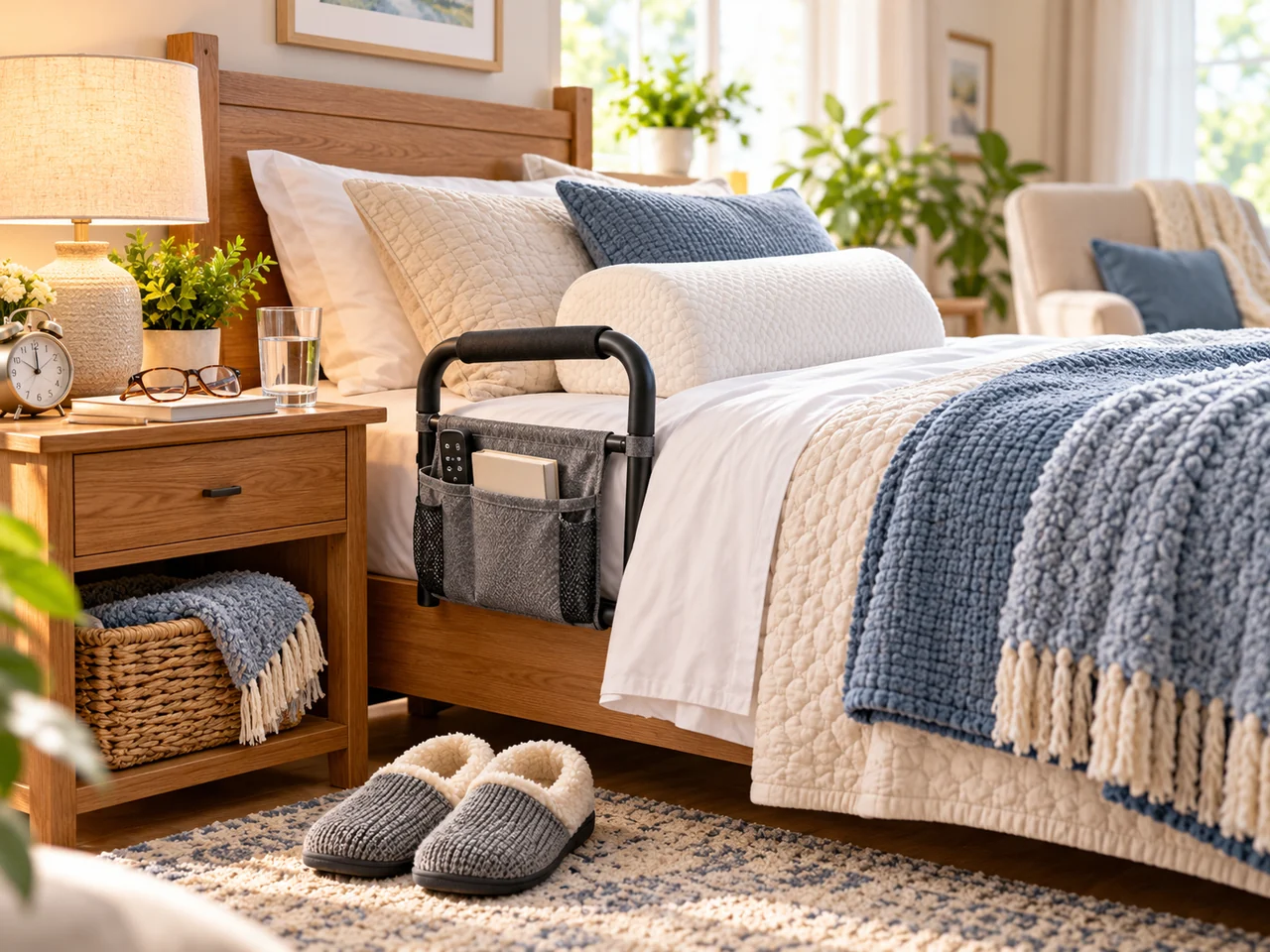
Bedding, pillows, and room essentials for a comfortable living space.
View products →
Games, puzzles, and engaging activities for seniors and memory care.
View products →
Practical supplies for AFH owners, caregivers, and daily care operations.
View products →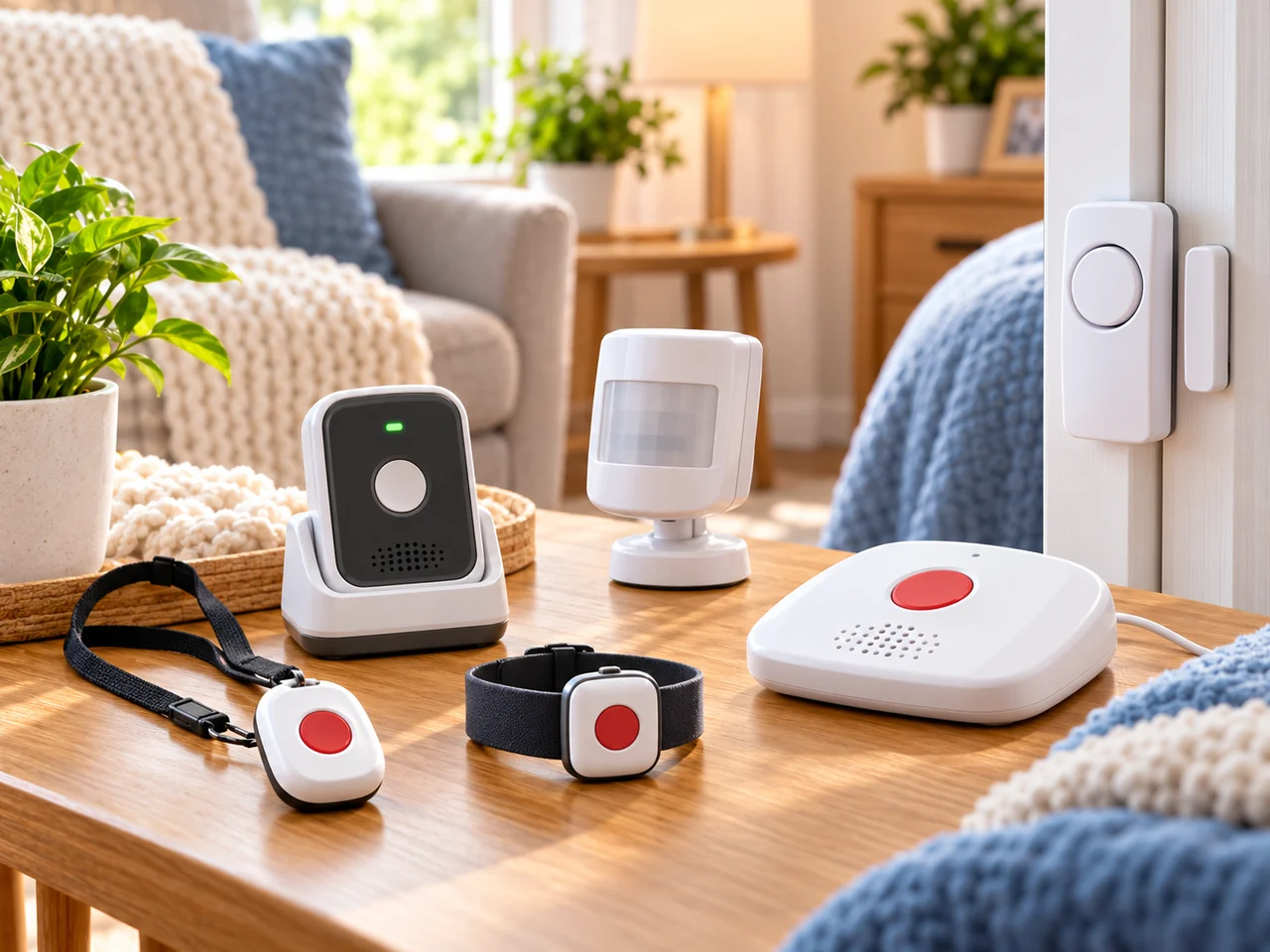
Call buttons, alarms, and helpful technology for senior care settings.
View products →
Discover thoughtful gifts, innovative products, and unique senior living finds.
View products →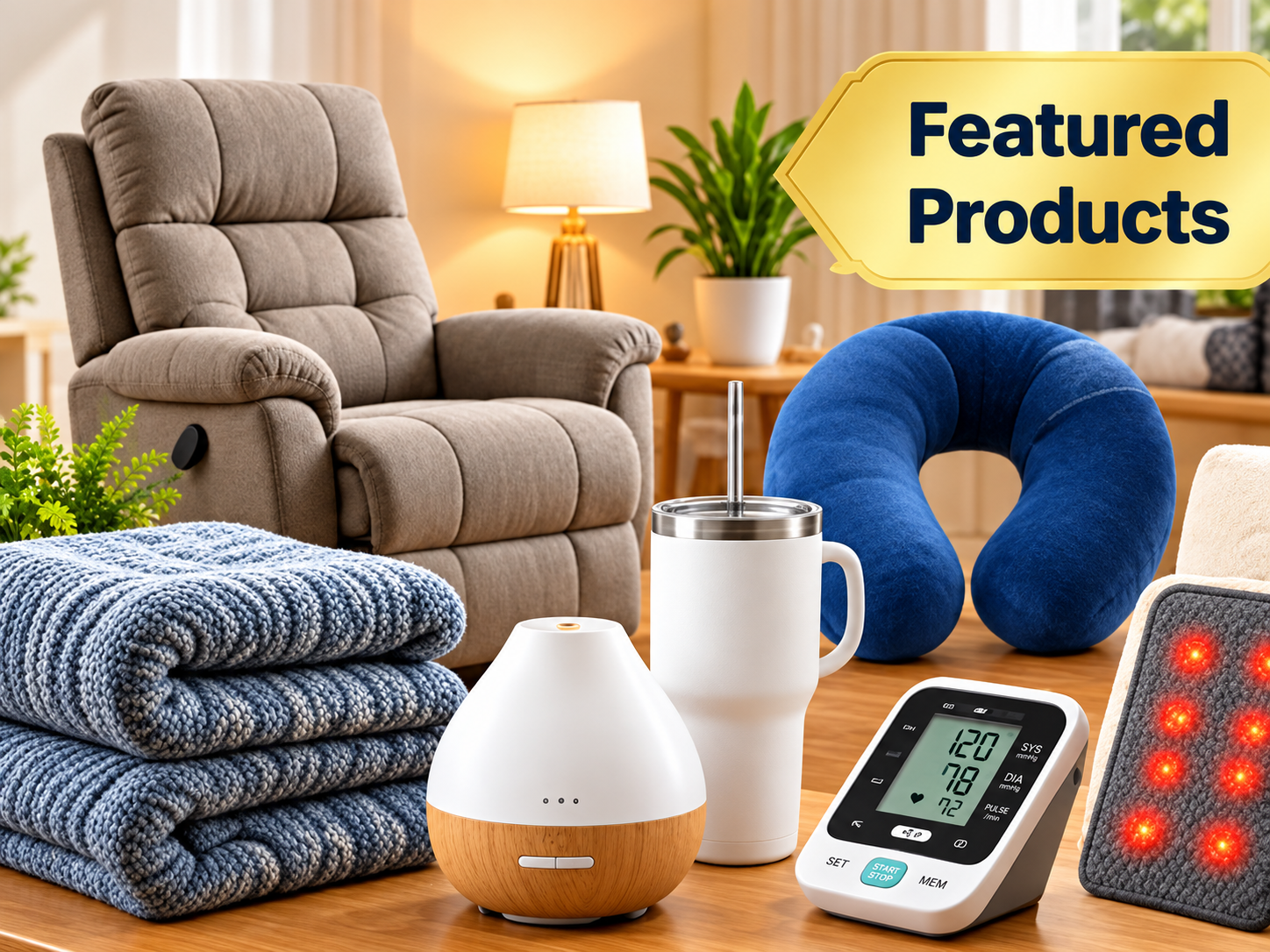
Explore selected books, business resources, and featured products for Adult Family Home providers.
View products →
Browse the complete
Adult Family Home Store →
CHOOSING SUPPLIES FOR A WASHINGTON ADULT FAMILY HOME
Adult Family Homes need different supplies for different parts of daily care. Explore senior daily living essentials, caregiver supplies, bedroom and comfort products, activities and memory care products, and safety and monitoring devices in our Store. This guide focuses on bathroom safety because the appropriate equipment depends on the resident, the bathroom layout, and applicable Washington requirements.
A bathroom can look clean and welcoming but still be difficult to use. The following comparisons explain what common bathroom aids do, how they differ, and what to check before purchasing them.
First match the equipment to the resident's assessed needs and care plan. Then check bathroom dimensions, safe transfers, manufacturer weight limits, installation instructions, and Washington AFH requirements. Remember that portable support aids do not automatically replace required, securely installed grab bars.
Shower chair: A seat used within a shower or bathing area. It may suit someone who can enter the bathing area safely but cannot comfortably stand while washing. Check stability, seat size, back and arm support, leg adjustment, drainage, weight capacity, and caregiver clearance.
Bathtub transfer bench: Usually spans the bathtub edge so a person can sit before moving into the bathing area. It may reduce the need to step directly over a tub wall. Check whether the resident can safely perform the movement, and confirm tub dimensions, door clearance, floor space, bench stability, and any assistance needed.
Buying decision: Choose based on the resident's abilities and the actual bathroom, not on the product name or price alone. When transfer safety is uncertain, seek guidance from an occupational therapist, physical therapist, or other qualified clinician.
Washington's WAC 388-76-10730 addresses securely installed grab bars in bathing facilities and near toilets. For homes licensed before November 1, 2016, grab bars next to toilets are required when needed by any resident. For homes licensed, and bathroom additions that occur, after November 1, 2016, the rule calls for grab bars securely fastened in bathing facilities and on each side of toilets used by residents, in accordance with the referenced building code.
A portable suction handle, towel rack, or freestanding toilet frame should not be assumed to replace a required installed grab bar. Confirm the applicable rules and mounting requirements with the appropriate authority, and follow the manufacturer's instructions for any fixture.
A raised toilet seat changes the seat height. A toilet safety frame adds handholds. These products serve different purposes, and neither automatically substitutes for required grab bars. Check attachment, stability, resident transfers, toilet dimensions, cleaning access, and space for caregivers. Washington's WAC 388-76-10780 also sets requirements for toilets and bathing facilities in AFHs.
Wet floors, loose mats, poor lighting, and clutter can create fall hazards. Use secure slip-resistant surfaces, keep floors dry, avoid raised or curling mat edges, and maintain clear walking paths. The CDC recommends removing trip hazards, improving lighting, and installing bathroom grab bars. Washington's WAC 388-76-10740 requires adequate lighting for resident and staff tasks.
Water temperature is a separate safety concern. Under WAC 388-76-10750 , hot water must be at least 105°F and no more than 120°F at fixtures used by or accessible to residents. A bath mat or shower chair cannot correct an unsafe water temperature.
Browse available products and check manufacturer specifications before ordering. AFH Resource Connect provides shopping information. It does not certify that a product meets Washington licensing requirements, independently test every item, or replace resident-specific assessments.
Browse Bathroom Safety & Mobility Products →For more categories, browse the complete Adult Family Home Store .
No. Customer ratings do not establish suitability for a particular resident or compliance with Washington requirements. Check the equipment specifications, installation instructions, actual bathroom measurements, and resident-specific needs before making a choice.
If it is unstable, cracked, corroded, or missing necessary parts, stop using it until it has been assessed and repaired or replaced according to the manufacturer's instructions. Never rely on an improvised repair to support a resident's weight.
Review its suitability after a fall or near miss, a significant change in the resident's mobility or care needs, or a bathroom modification. Seek appropriate clinical or therapy advice when a resident's bathing or transfer method may need to change.
This guide provides general shopping information, not individualized medical, therapy, construction, legal, or licensing advice. Confirm resident-specific needs and applicable requirements with qualified professionals and the appropriate agencies. Product links may be affiliate links and are not compliance certifications or endorsements.
Some product links are affiliate links. ARC may earn a small portion from qualifying purchases. Products are shopping resources and do not replace resident-specific care or clinical guidance. See our Disclaimer and Privacy Notice.