This buying guide is for Washington Adult Family Home providers, caregivers,
and families who need to compare care supplies by purpose, resident fit, and safety.
It explains how related products differ and what to confirm before purchasing.
Product details and available options may change, so check current manufacturer
instructions, the resident's care plan, and applicable facility requirements.
ARC does not claim to have independently tested these products.
What supplies are useful in an Adult Family Home?
Common Adult Family Home supply categories can include bathroom safety equipment,
mobility and patient-transfer aids, adult incontinence supplies, mattress and bed
protection, daily-living aids, caregiver supplies, cleaning and infection-control
products, medication organization, and health-monitoring equipment.
What bathroom safety products are useful for seniors?
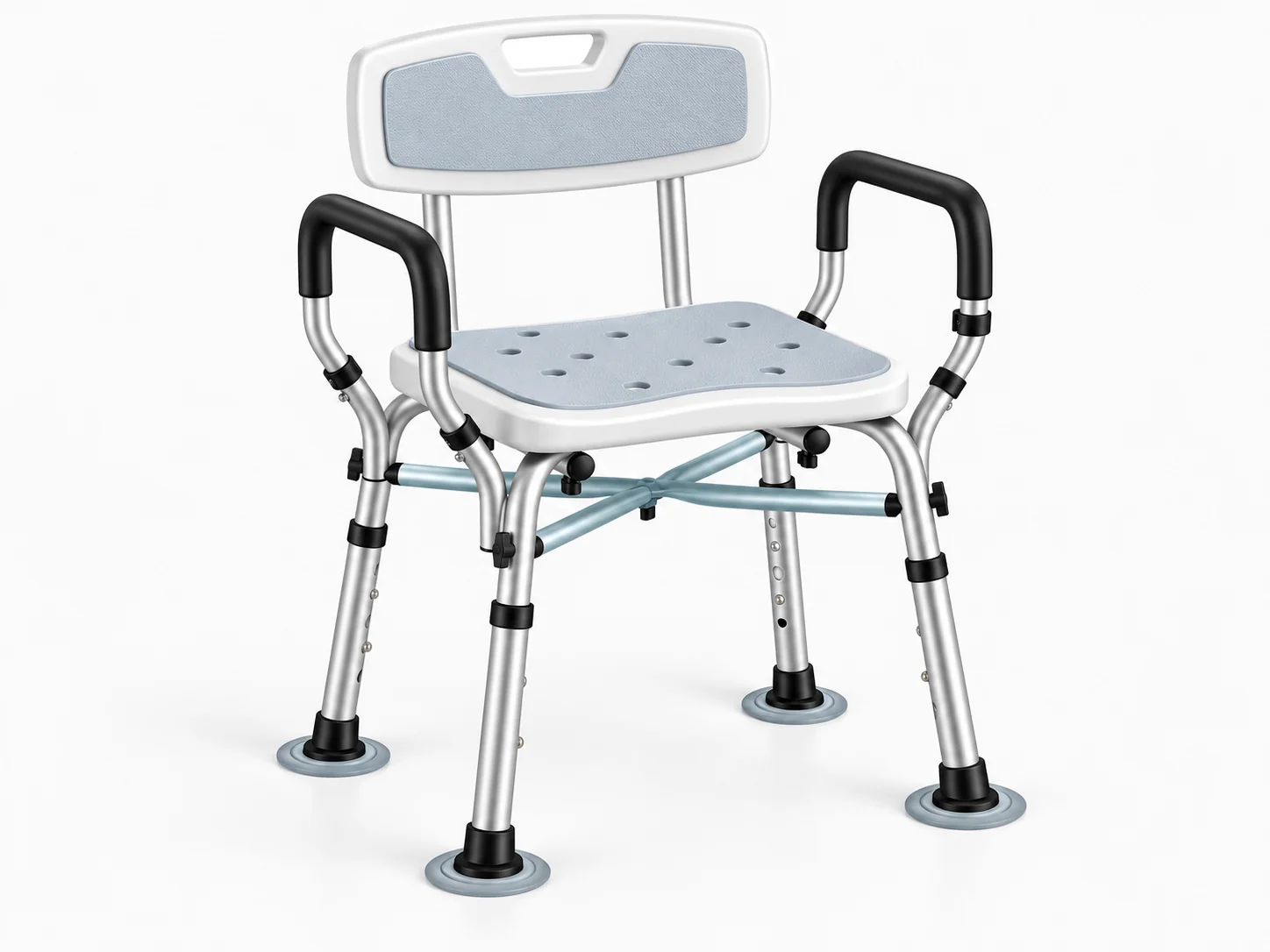
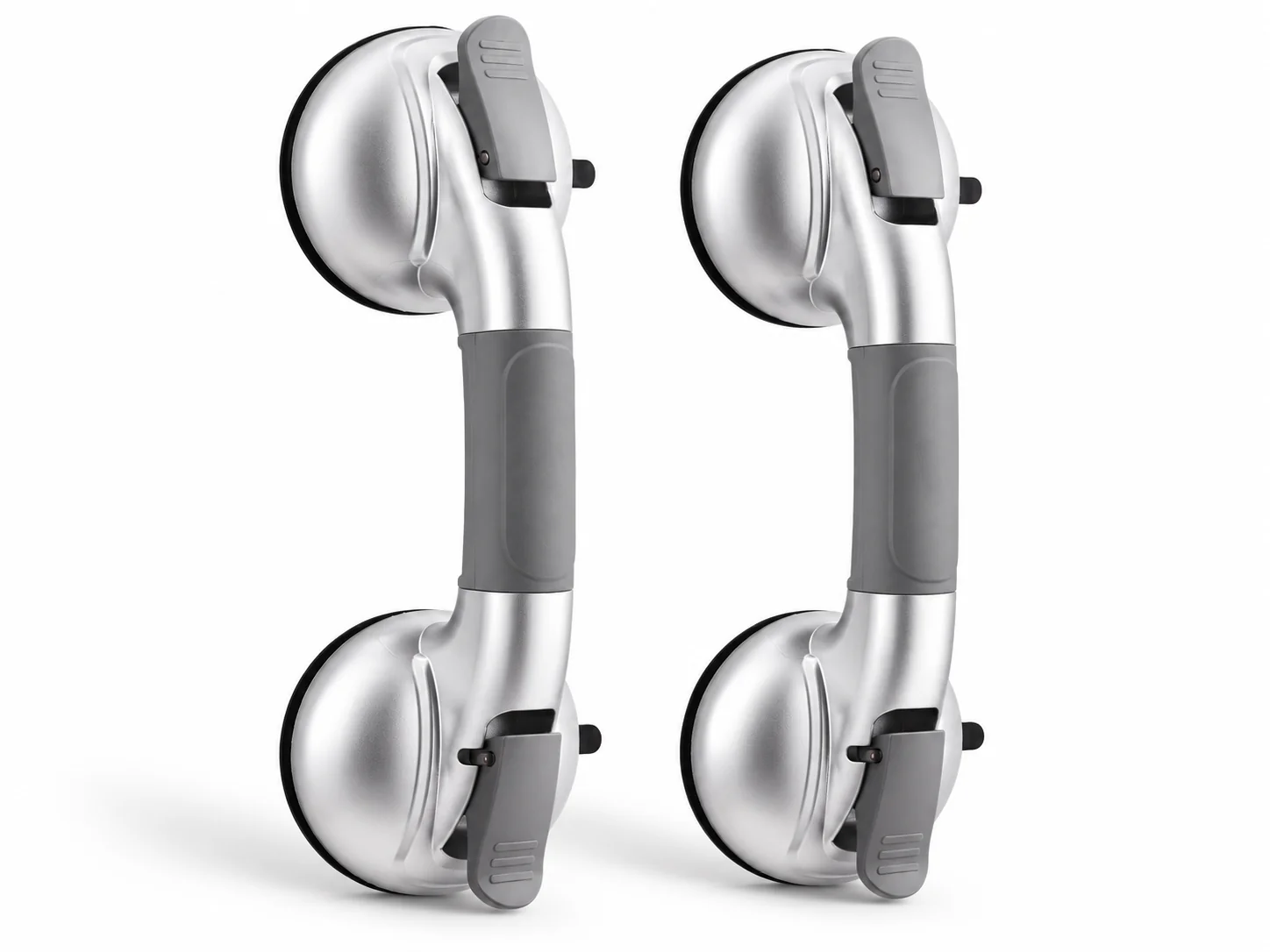
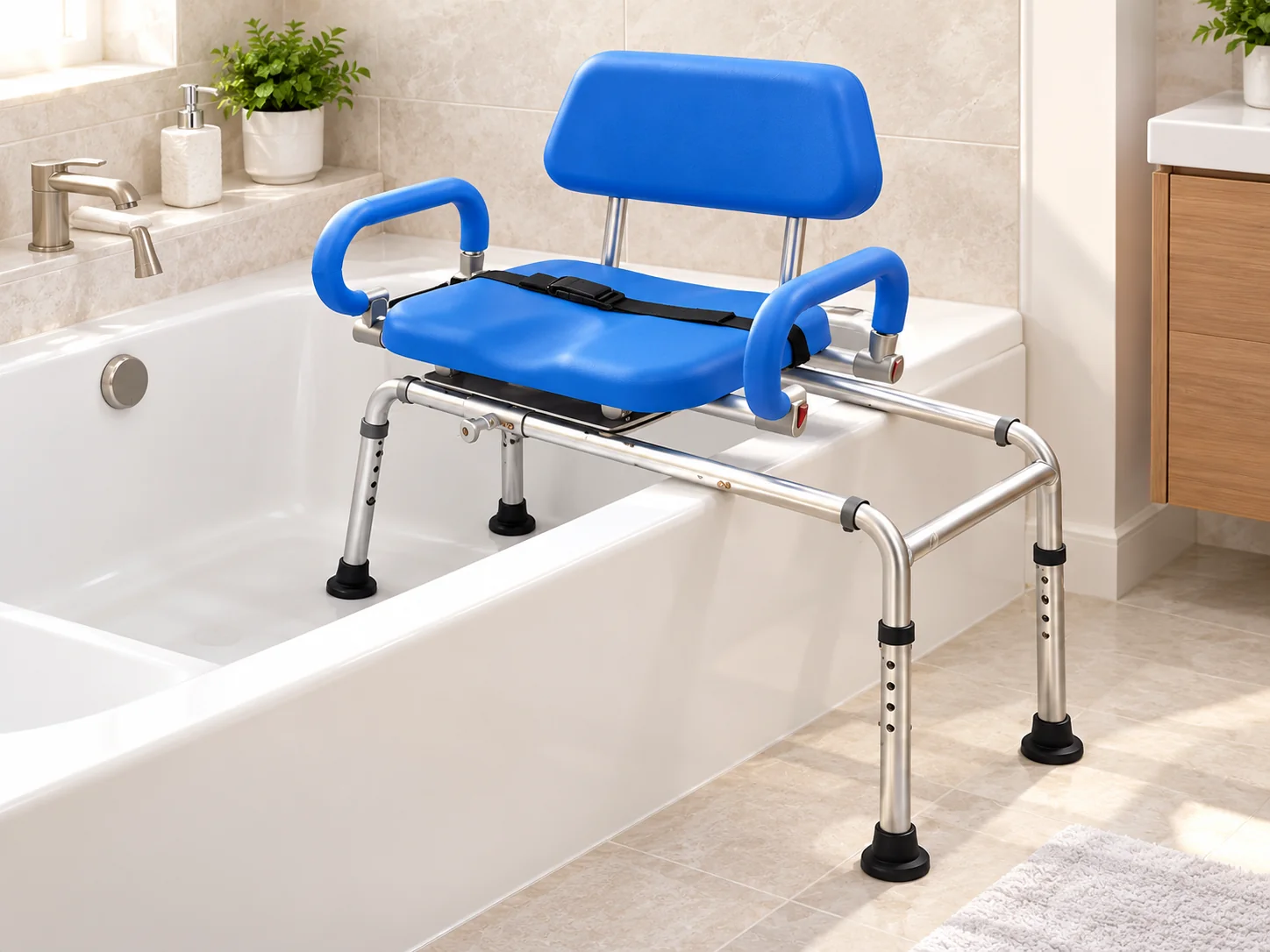
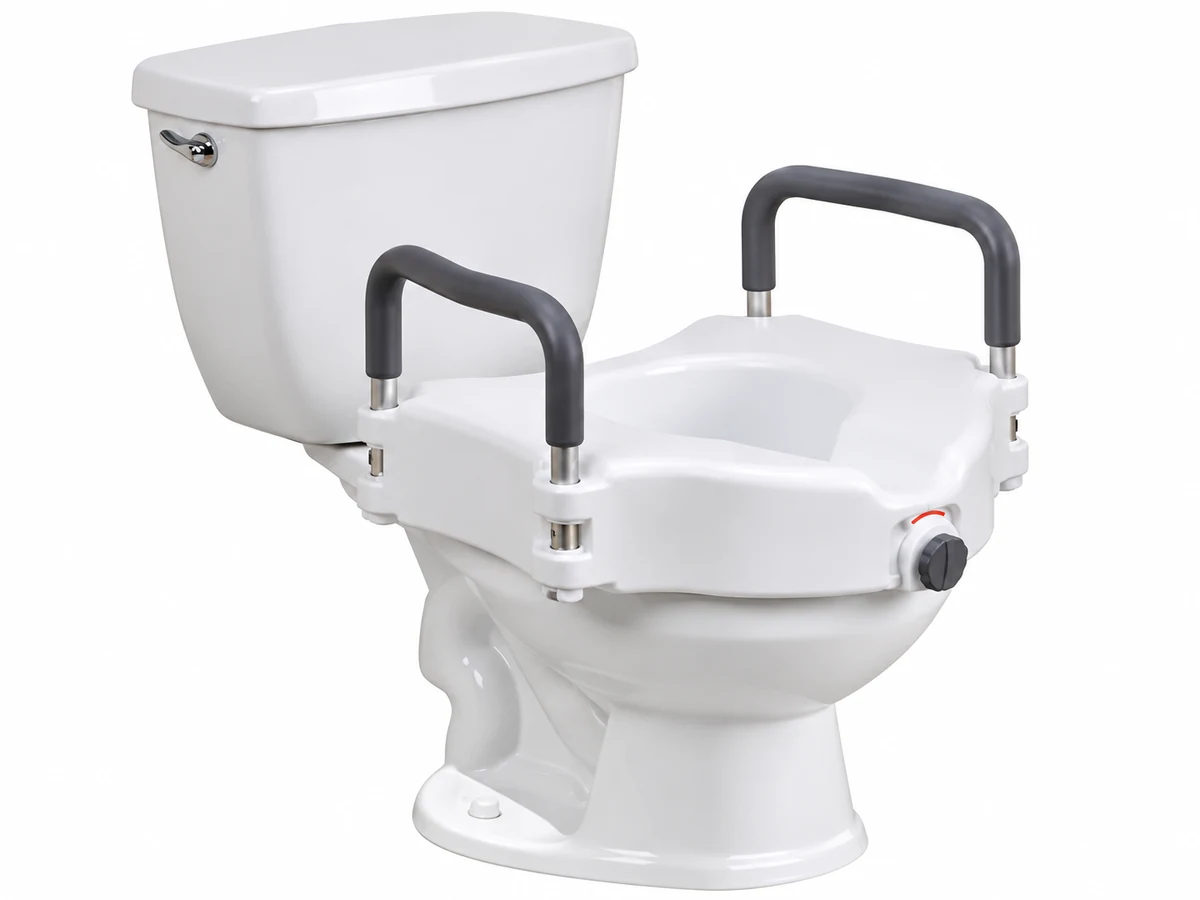
Bathroom safety products include shower chairs, tub transfer benches,
grab bars, and toilet safety rails. Shower chairs provide seating
inside a shower or tub. Tub transfer benches extend across the
bathtub edge, allowing a person to sit before moving into the tub
rather than stepping over the edge while standing. Before choosing,
compare bathroom dimensions, weight capacity, stability, and each
resident's assessed mobility and care needs.
What mobility and transfer aids can caregivers compare?
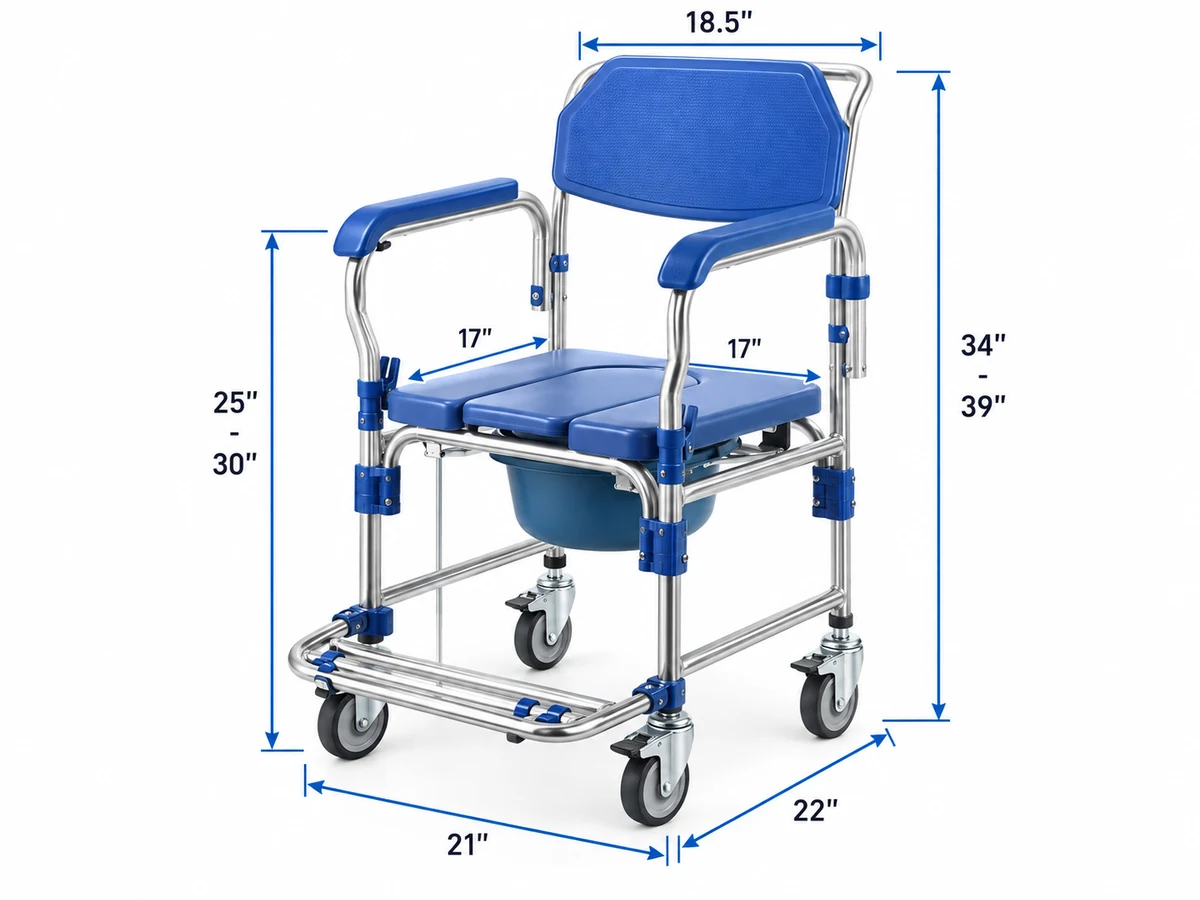
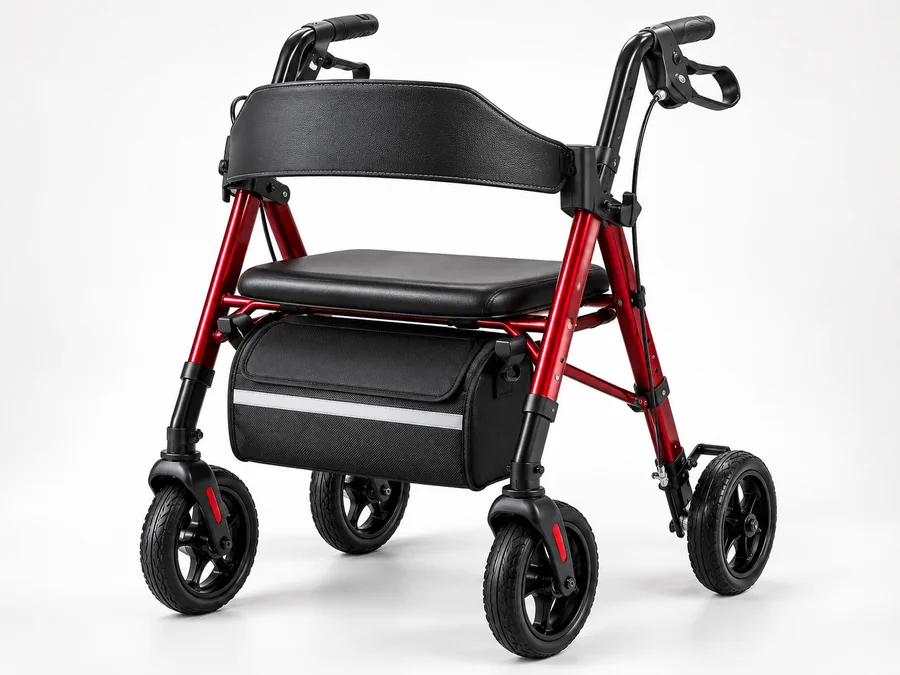
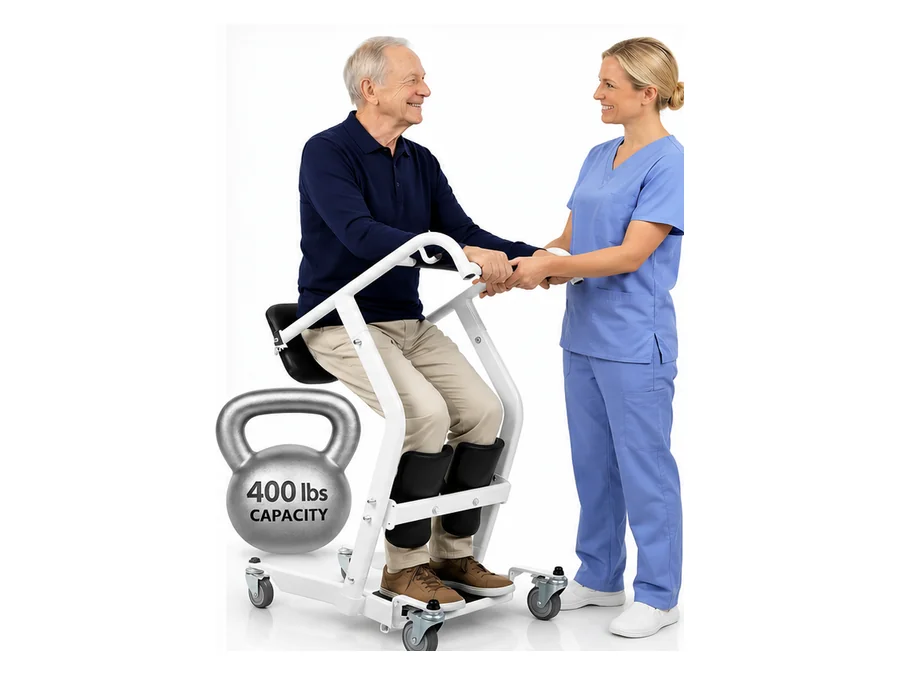
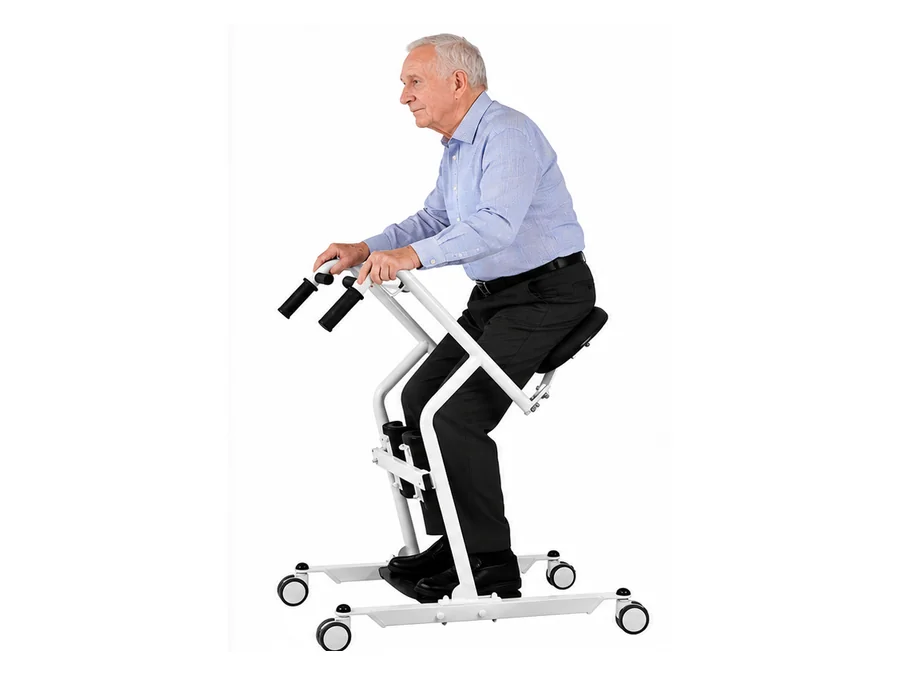
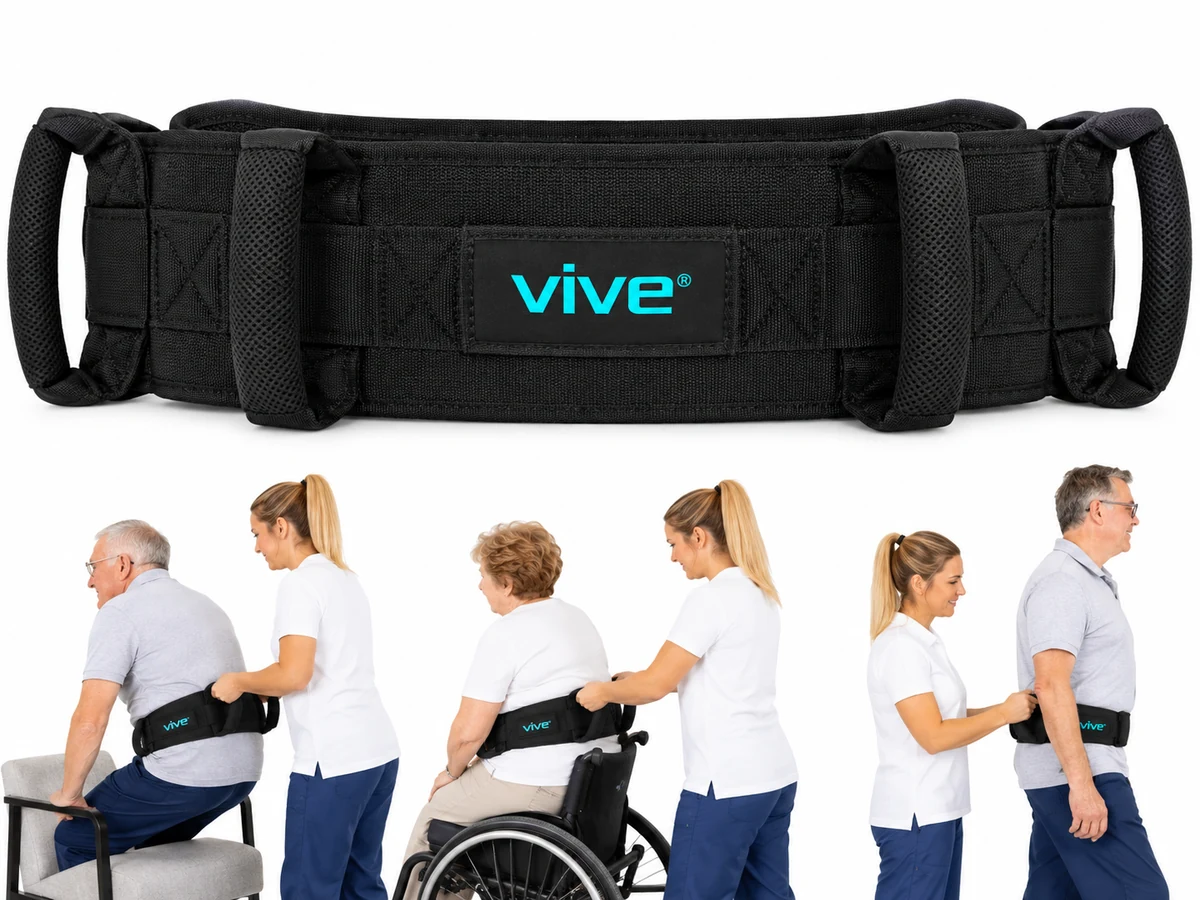
Mobility and transfer products can include rollator walkers,
sit-to-stand patient lifts, standing-assist transfer devices,
wheelchairs, gait belts, and other transfer aids selected according
to the resident's abilities and care needs.
What products can help with adult incontinence and bed protection?
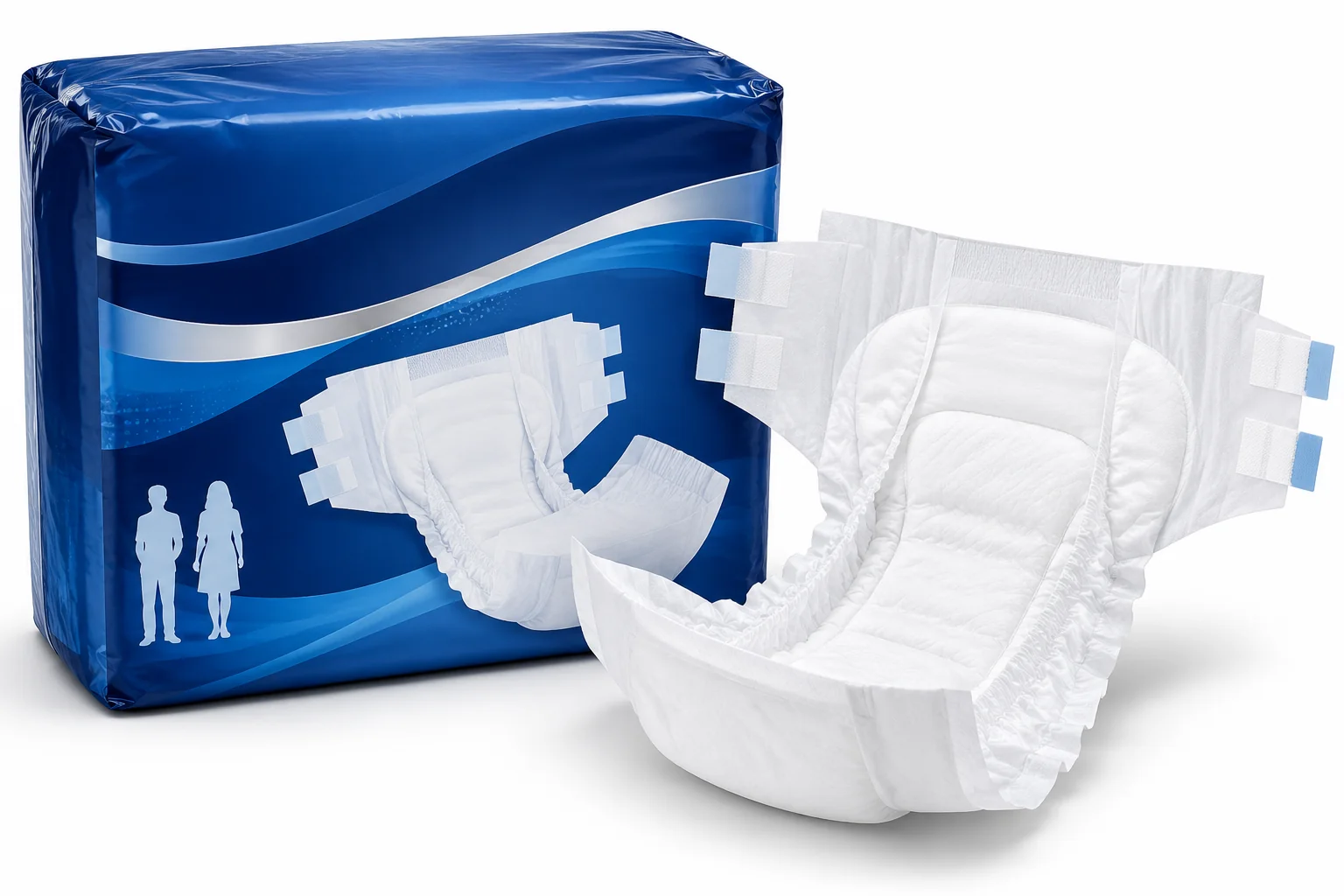
Adult incontinence products can include pull-up protective underwear,
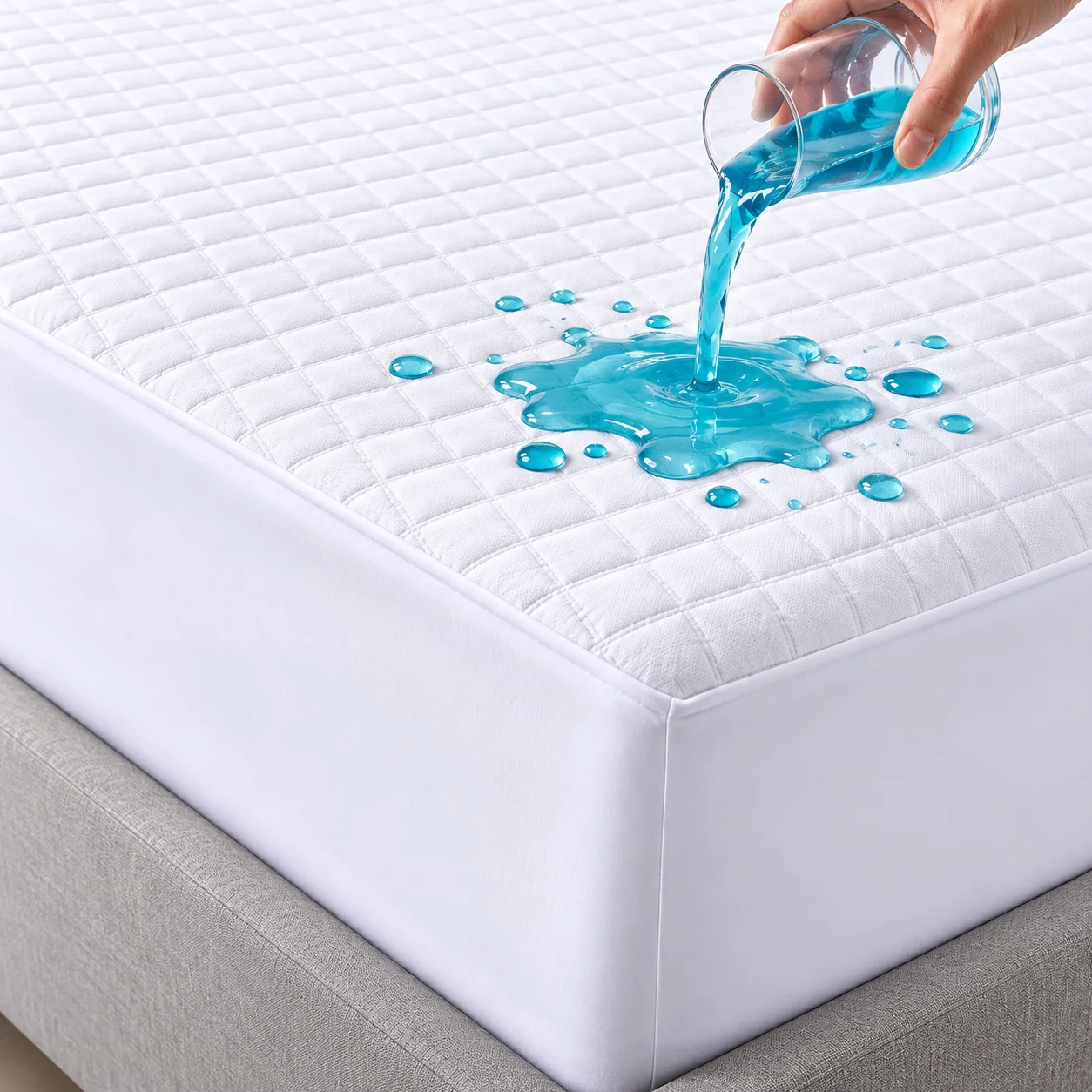
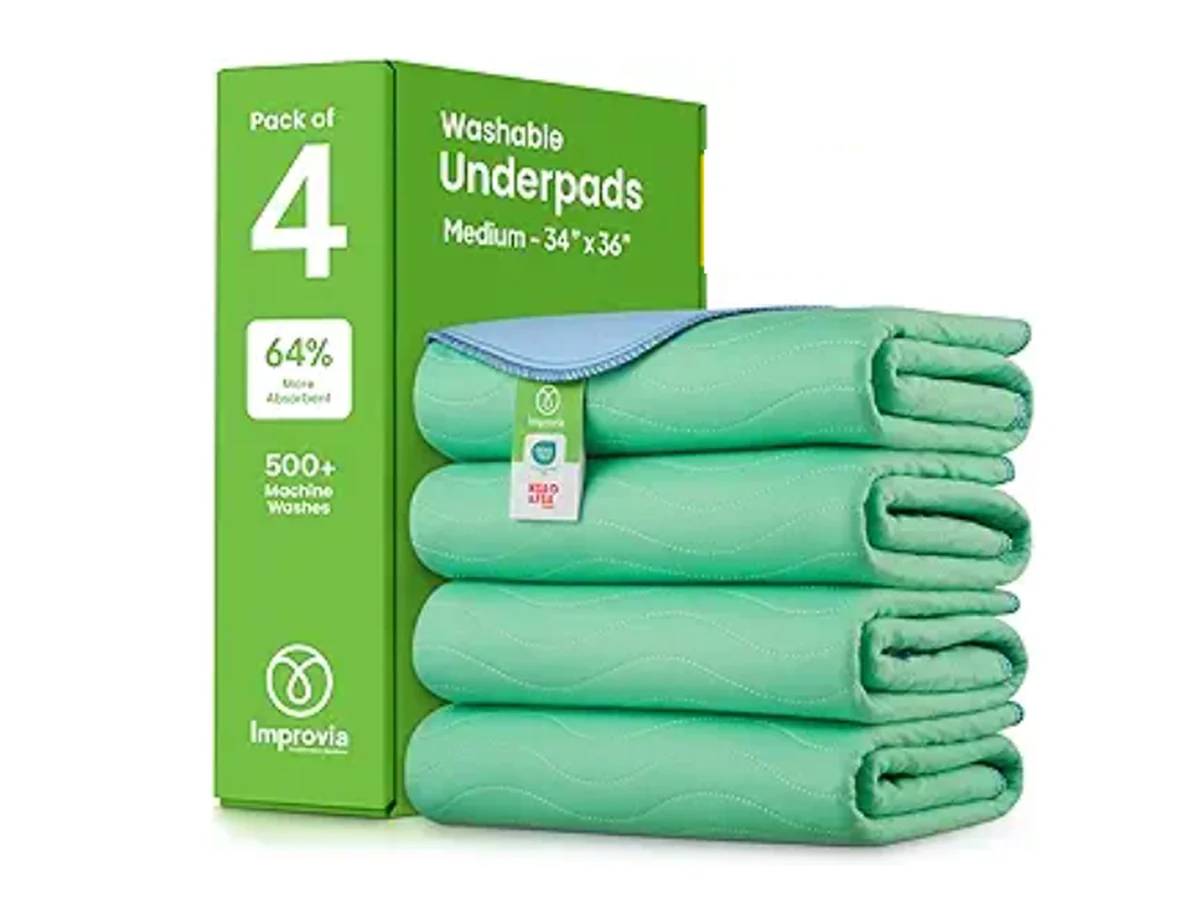
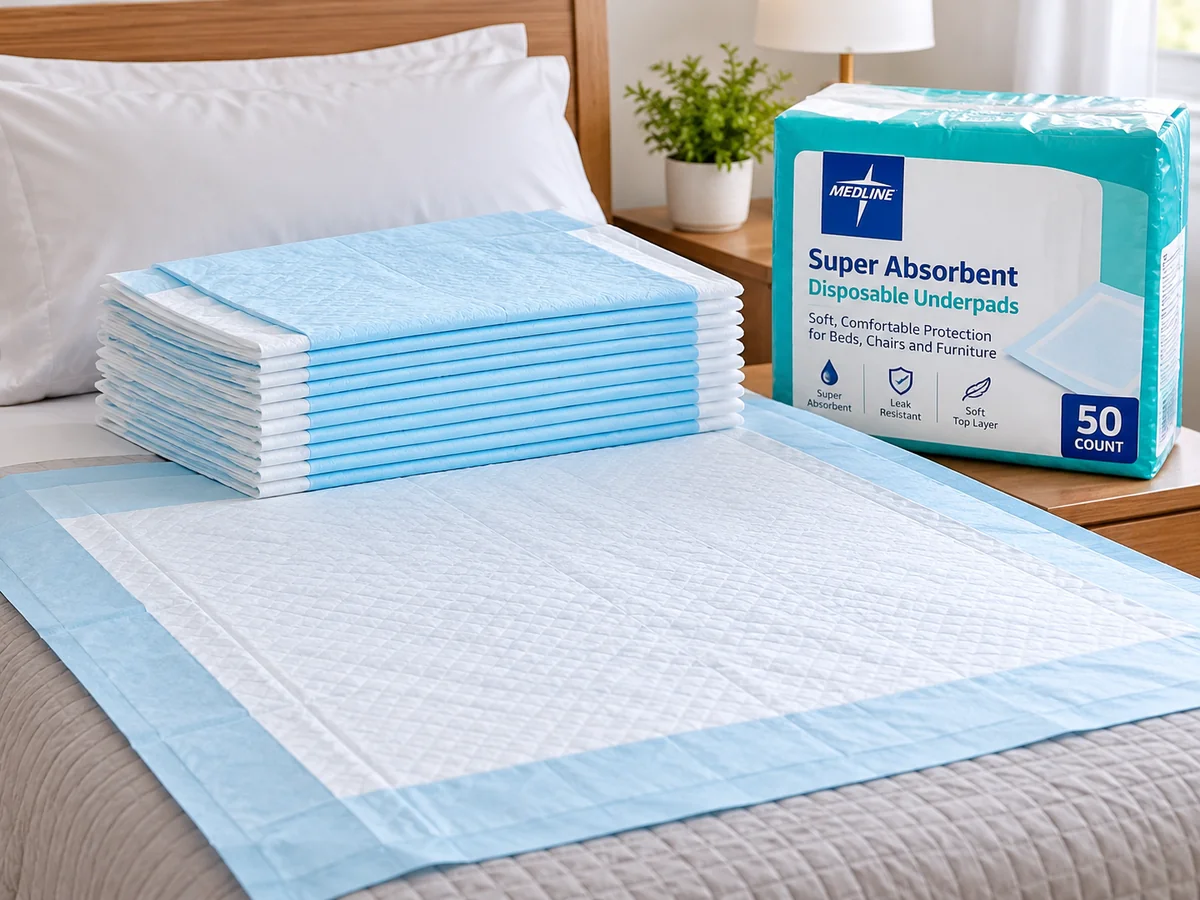
briefs with tabs, waterproof mattress protectors, absorbent bed pads,
and other bedroom-care products designed to help protect residents,
bedding, mattresses, furniture, and care environments.
How should an AFH choose care and safety products?
Product selection should match each resident's assessed needs,
care plan, caregiver training, facility procedures, and the manufacturer's
instructions. Product listings in the Adult Family Home Store are informational shopping
resources and do not replace clinical or resident-specific guidance.
Where can Washington Adult Family Homes find additional vendors?
AFH Resource Connect also maintains a
Vendors
for businesses and service providers supporting Adult Family Homes
across Washington State.
Compression stockings vs. non-slip grip socks: what is the difference?
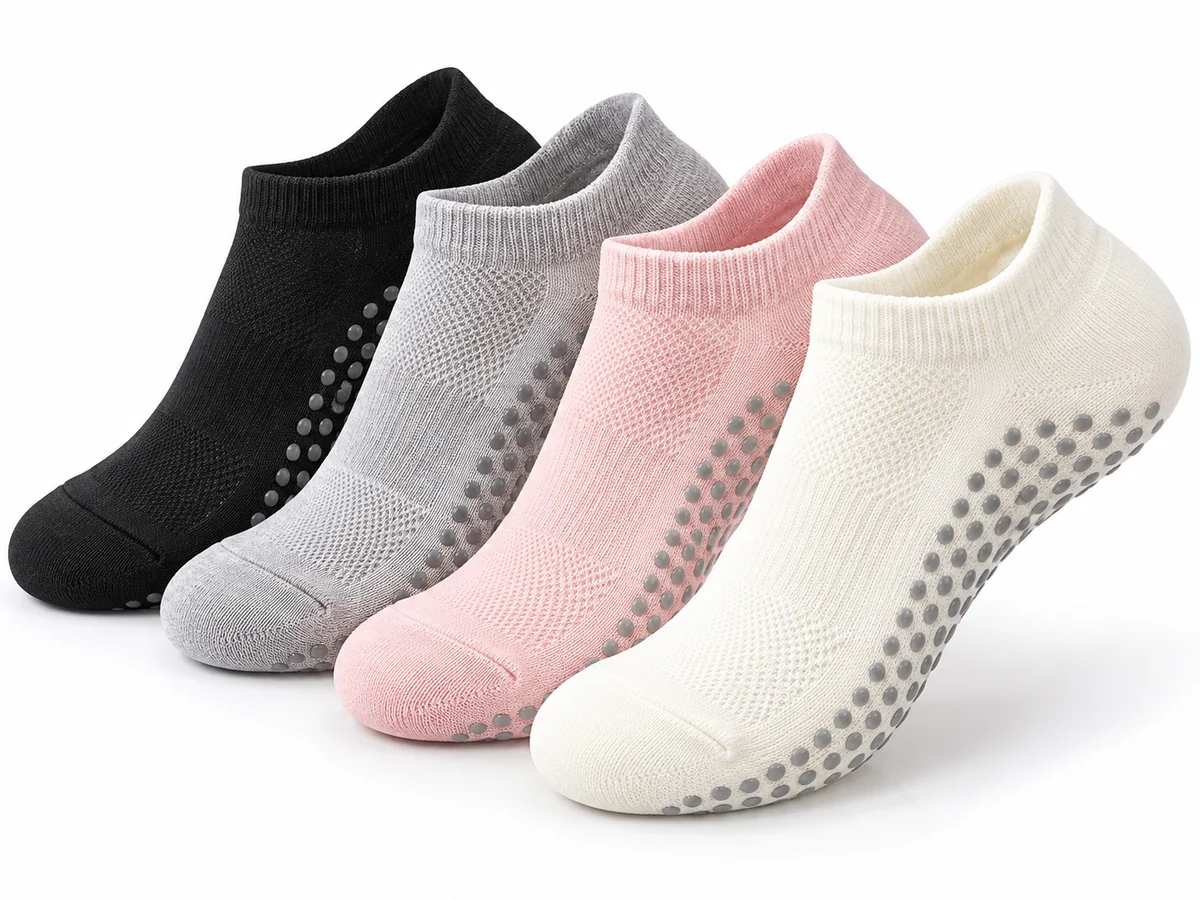
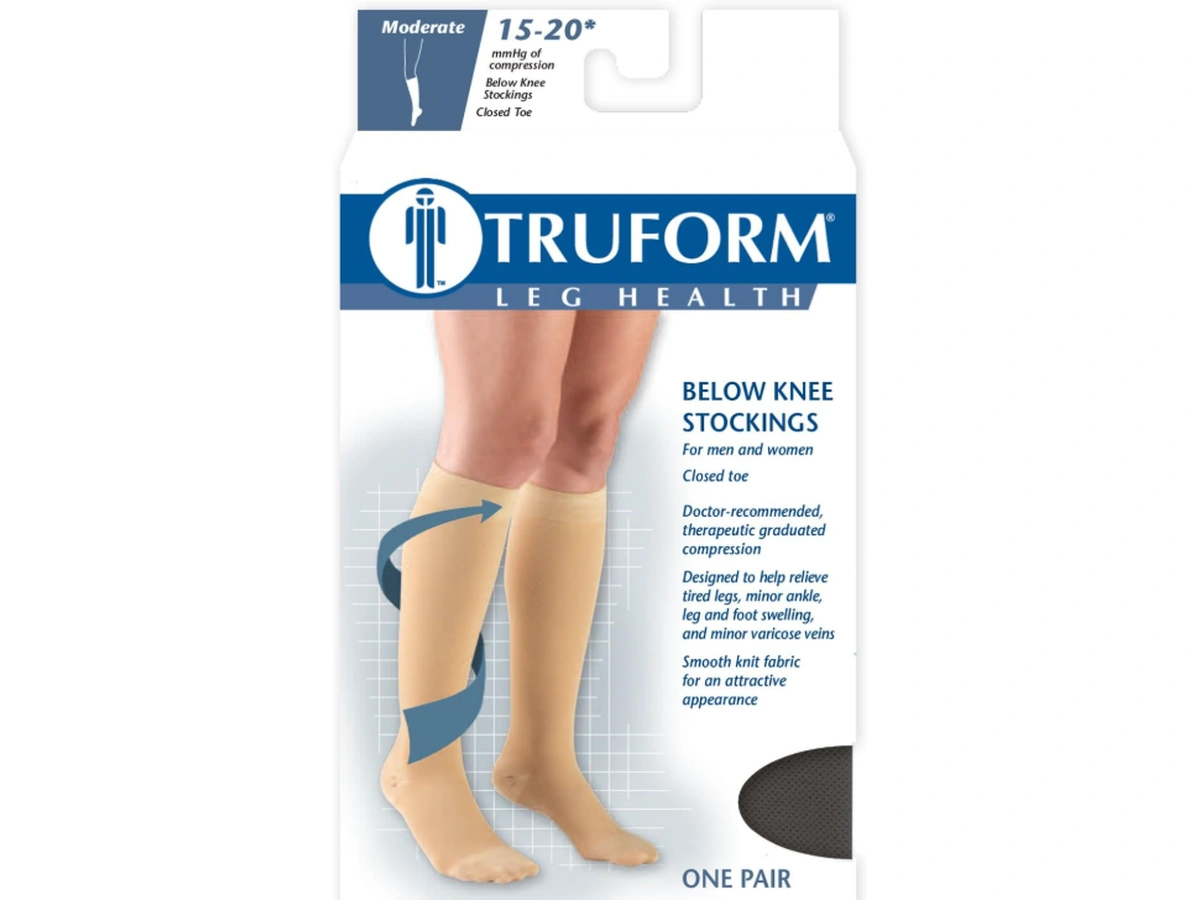
Different jobs: Graduated compression stockings apply measured pressure, usually greatest at the ankle, while grip socks use textured soles to add traction on suitable indoor floors. The Truform knee-high example is listed as 15-20 mmHg; the grip socks on this page are not medical compression garments.
Before buying: For compression stockings, confirm the prescribed or recommended compression level, ankle and calf measurements, length, toe style, and whether the wearer can put them on safely. Grip socks require the correct size, a secure fit, and attention to the resident's broader fall-prevention needs. MedlinePlus explains compression stocking fit and use.
See compression hosiery and grip socks in Senior Daily Living Essentials.
Weekly pill organizer vs. pill cutter: what must a Washington AFH check?
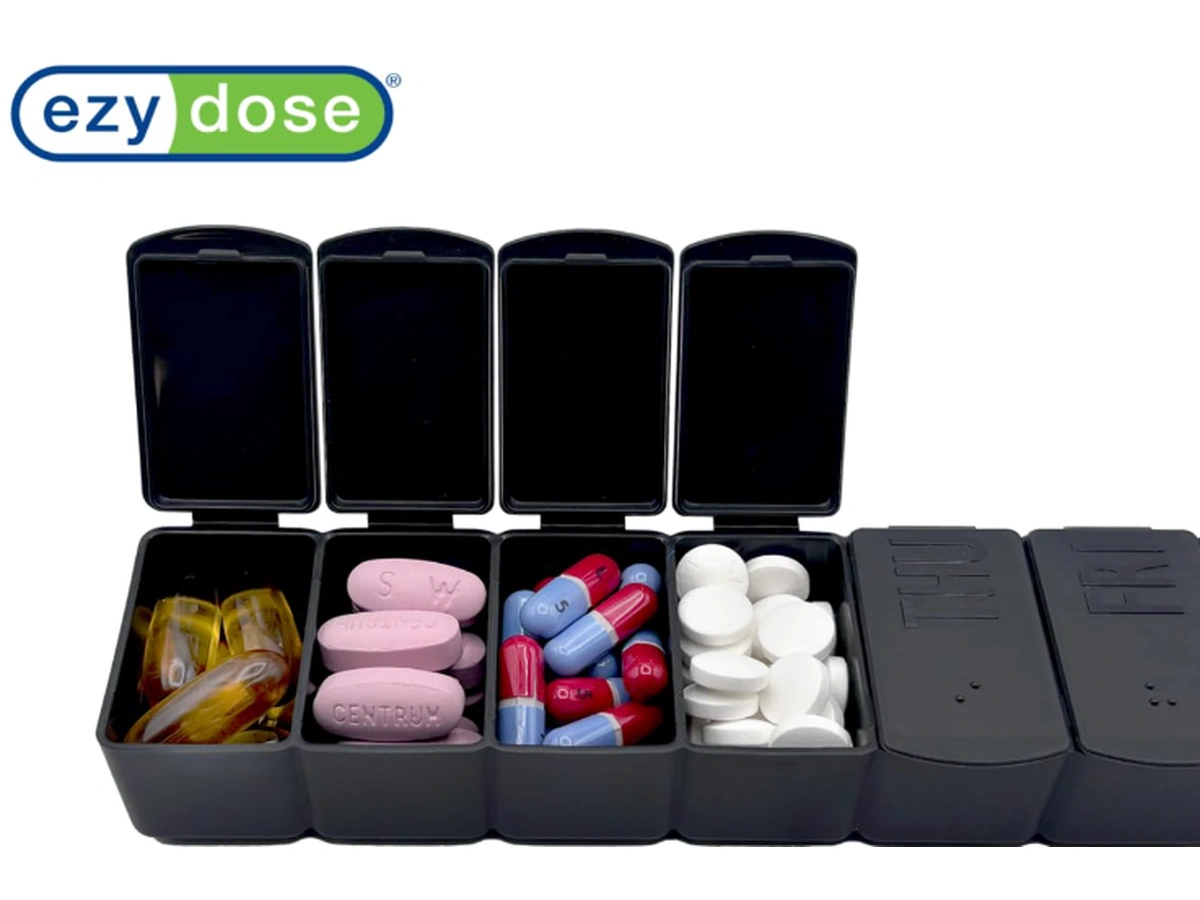
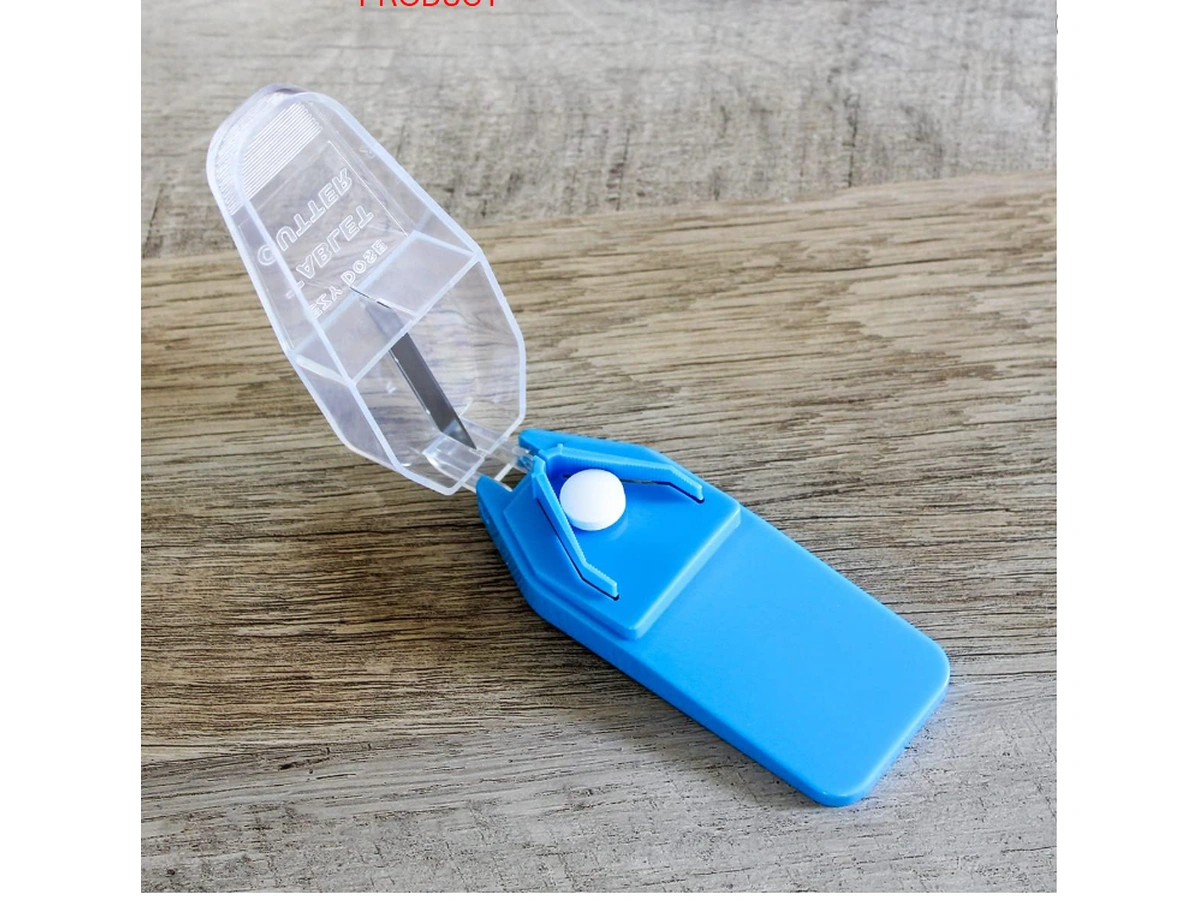
Different jobs: A seven-day pill organizer separates medication doses into labeled compartments. A pill cutter divides certain tablets only when splitting is appropriate. Neither item authorizes a caregiver to change a prescribed dose or substitute for medication records and secure storage.
Washington rule: WAC 388-76-10480 identifies who may fill a resident's organizer: a licensed nurse, pharmacist, resident, or resident's family member. It also covers original labeled medication containers, identifying medicines, labels with the resident's name, medication list, dosage and frequency, and updating labels when medication changes.
Before buying: Compare compartment size, readable day markings, labeling space, lid operation, and storage needs. For a cutter, ask the prescriber or pharmacist whether the specific tablet may be split. FDA tablet-splitting guidance explains why many extended-release tablets should not be divided. See the examples in Caregiver Supplies.
Choosing a first aid kit for an Adult Family Home: what matters beyond 299 pieces?
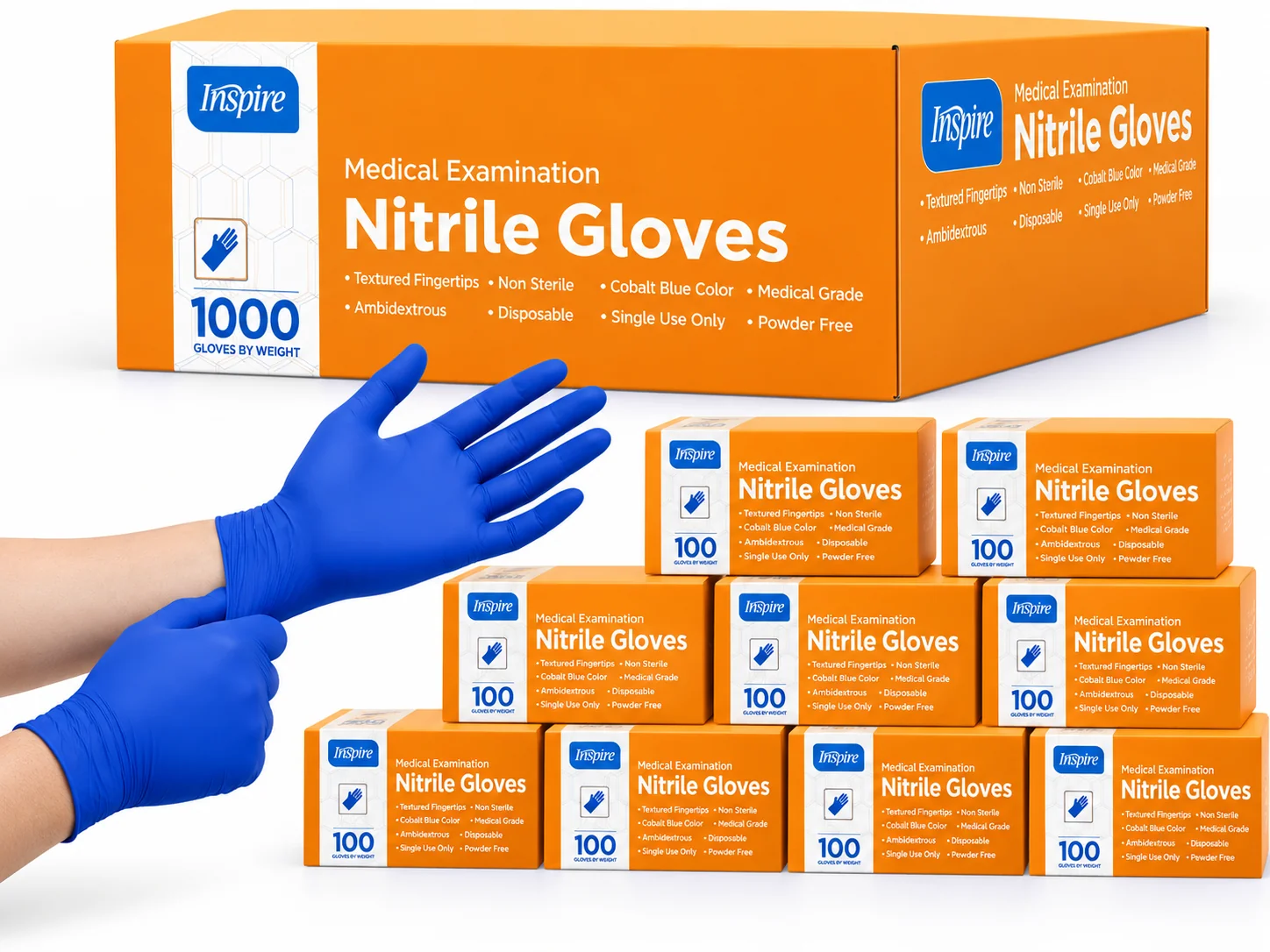
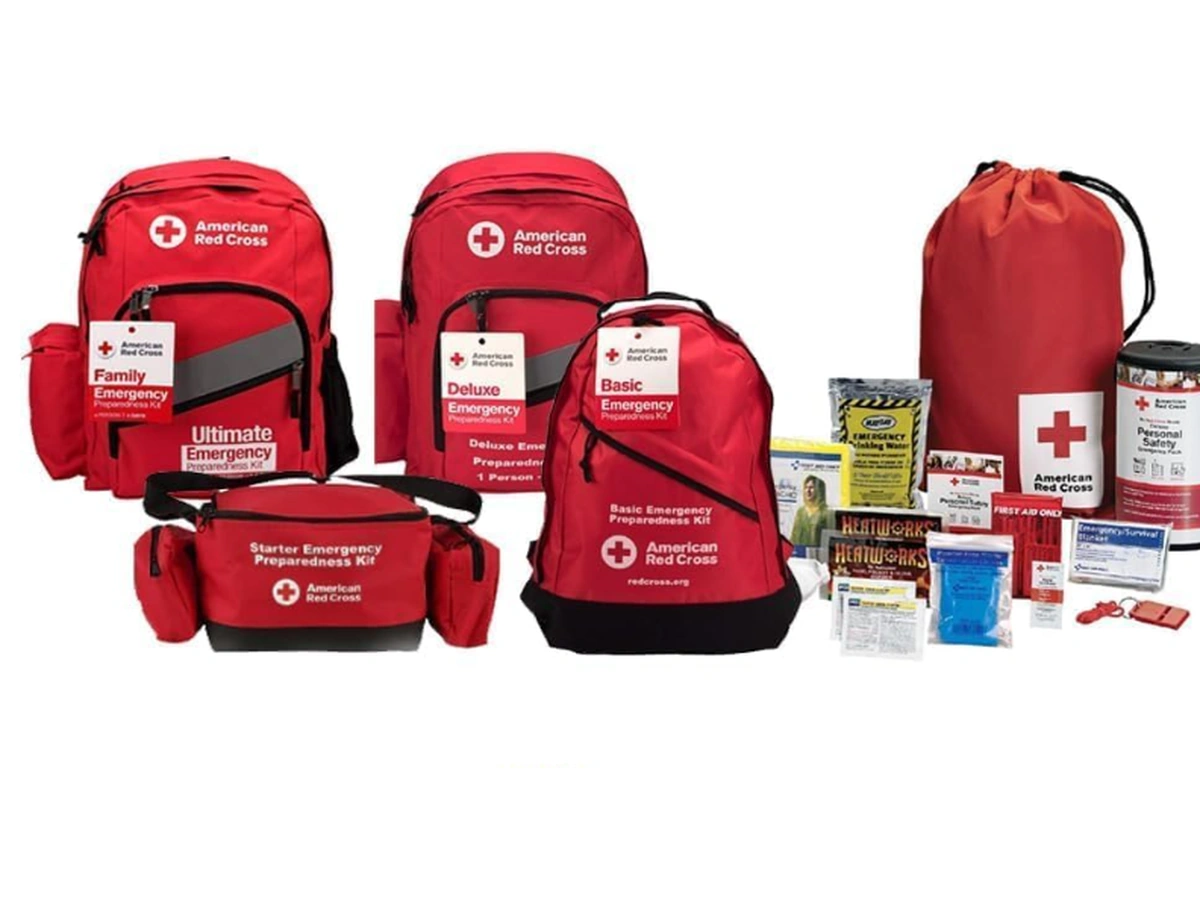
Start with the contents, not the count: A kit advertised as containing 299 pieces may have different quantities of small bandages or other consumables. Check whether it has suitable bandages, sterile gauze and dressings, adhesive tape, nonlatex gloves, a cold compress, tweezers, and first aid instructions. Do not assume a particular item is included without checking the current product list.
Before buying: Consider where the kit will be stored, who can access it in an emergency, how used supplies will be replaced, how expiration dates will be checked, and whether its contents match your home's emergency procedures and staff training. A consumer kit does not by itself establish compliance with Washington Adult Family Home requirements. Compare the American Red Cross first aid kit checklist and see the kit in Caregiver Supplies.
Manual wheelchair, four-wheel mobility scooter, or 3-foot ramp: which solves the problem?
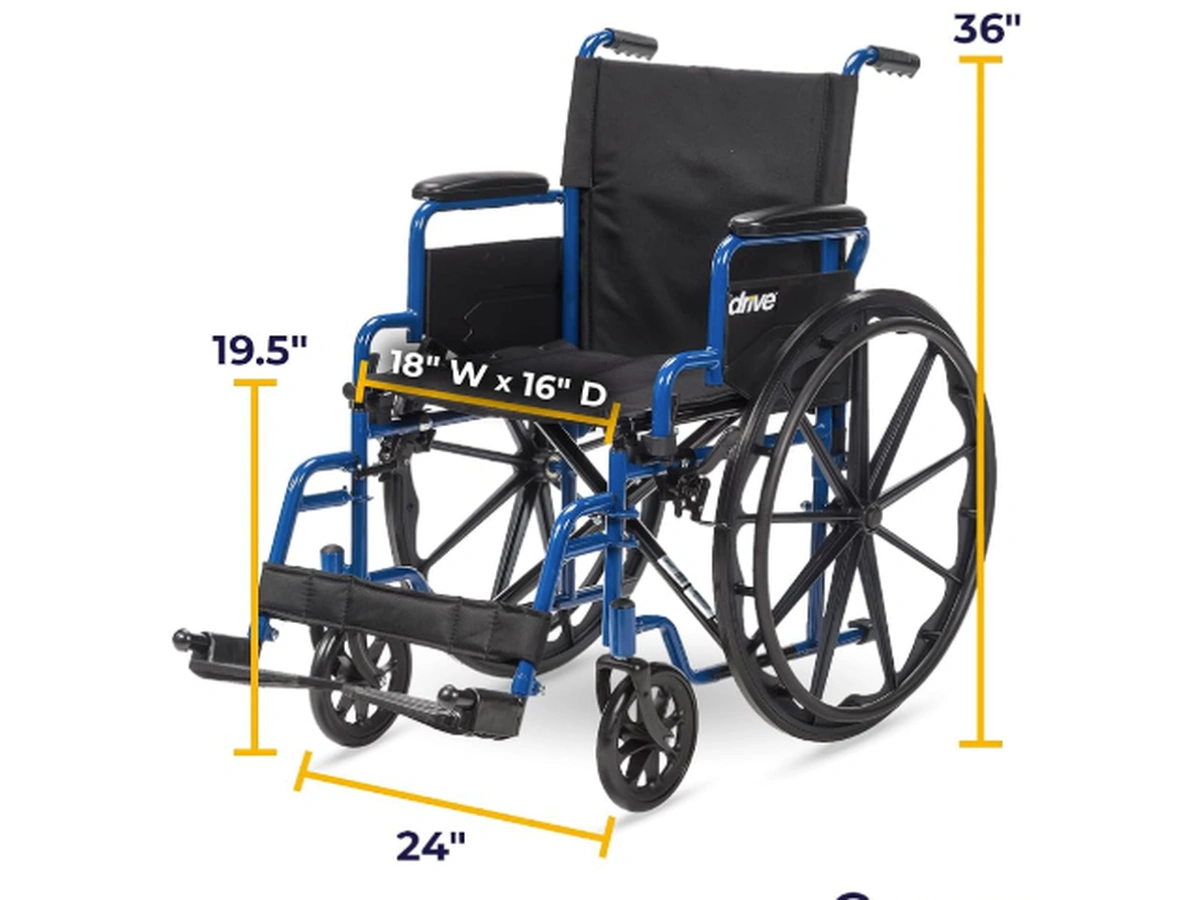
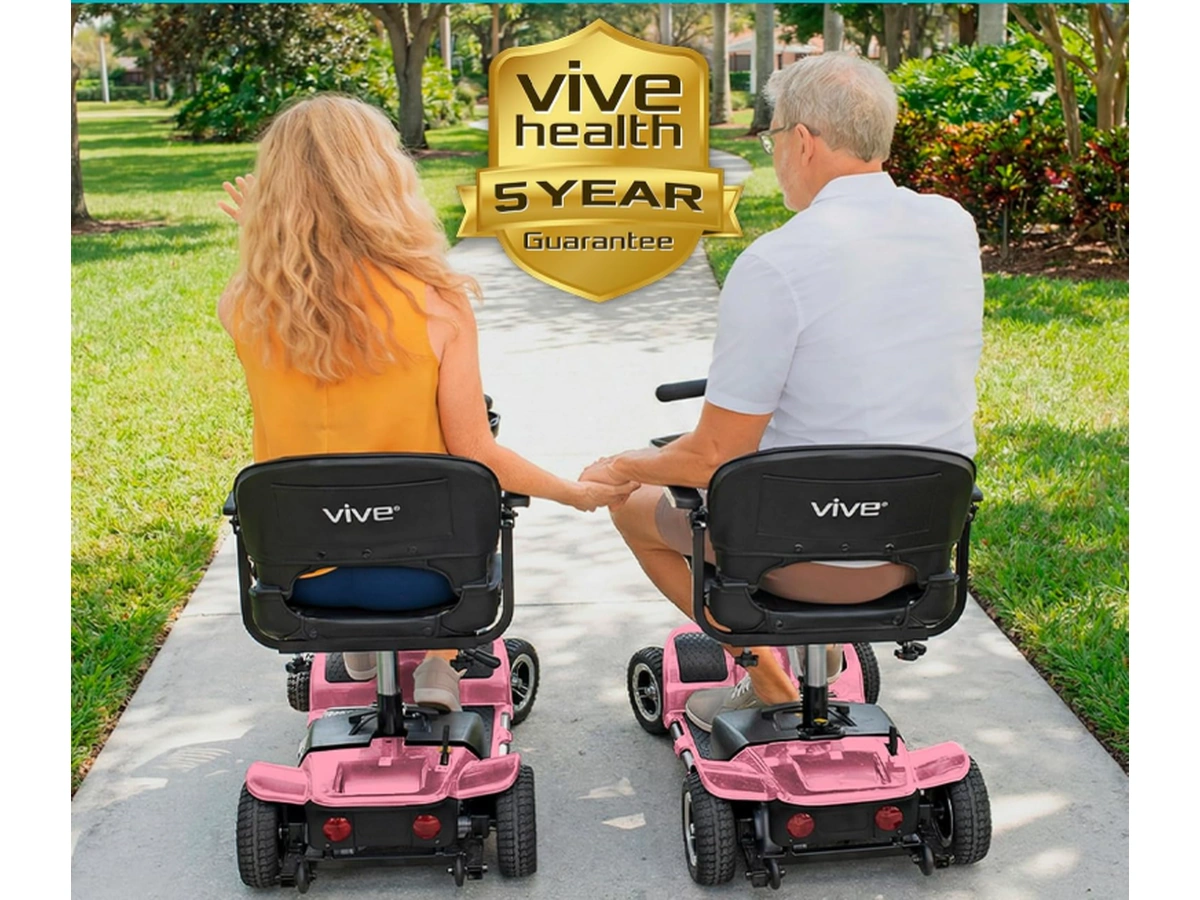
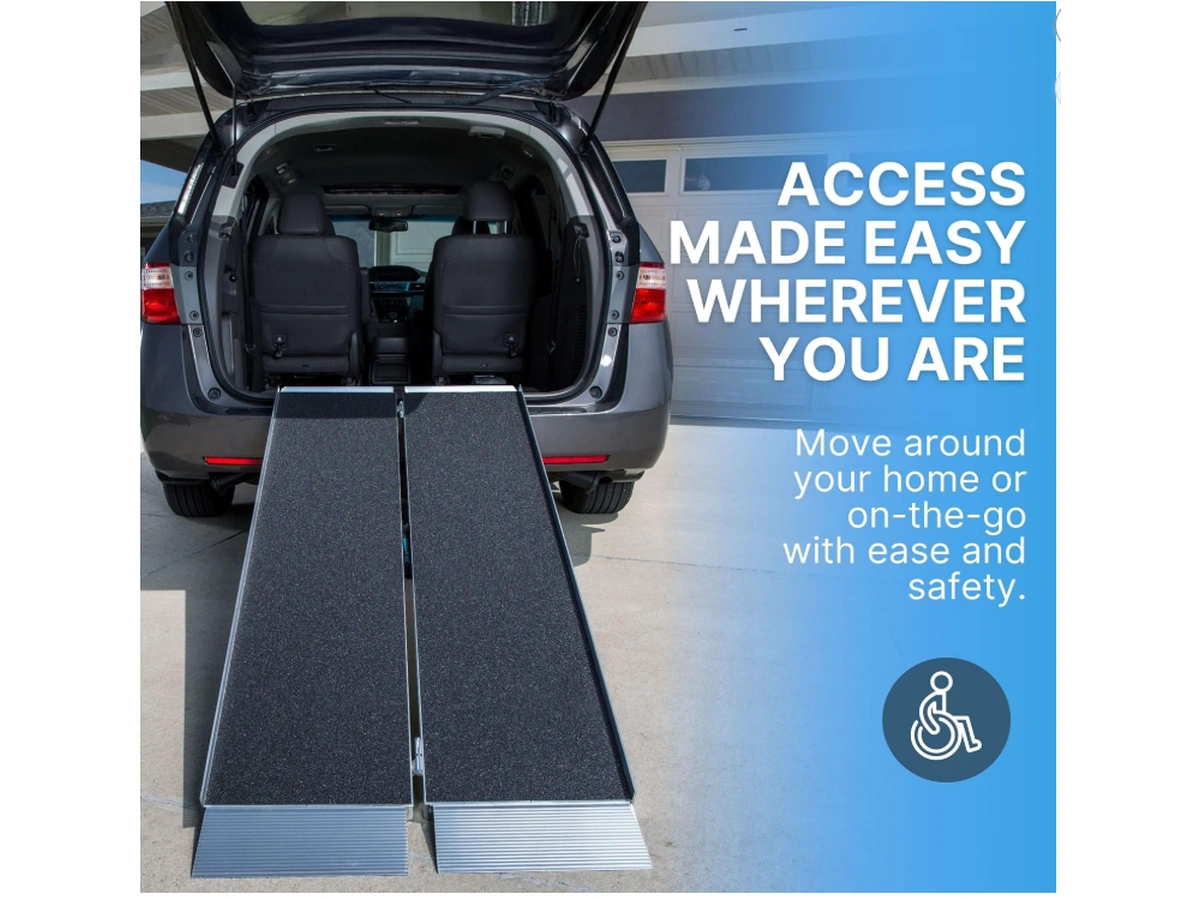
Match the equipment to the task: A manual wheelchair supports seated mobility and can be pushed by a caregiver. A powered scooter requires battery charging, steering and enough maneuvering room. A portable wheelchair ramp addresses a height change at a threshold or entrance; it does not replace either mobility device.
Before buying a wheelchair: Check seat width and depth, brakes, footrests, user weight, fit, turning space and doorway clearance. For a scooter, check the resident's ability to control it, charger access, total width and turning radius. For a ramp, measure the actual vertical rise, usable run, doorway, stable landing areas, traction, load rating and compatibility with the device. A 3-foot ramp will not suit every height change.
Accessibility note: The U.S. Access Board explains accessible-route ramp standards; a portable product listing does not, by itself, prove a location complies. Compare the examples in Bathroom Safety & Mobility Aids.
Electric hospital bed vs. lift recliner vs. mattress topper: what should an AFH compare?
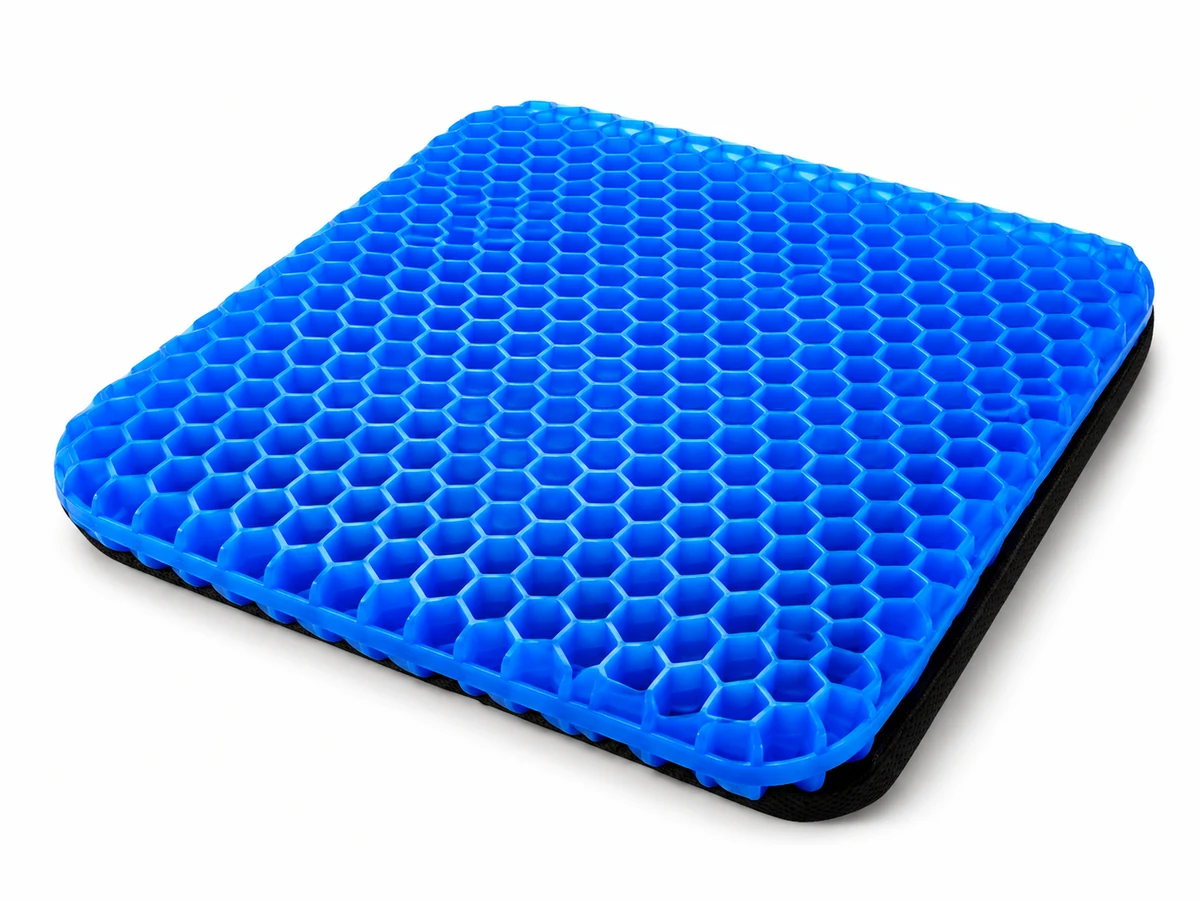
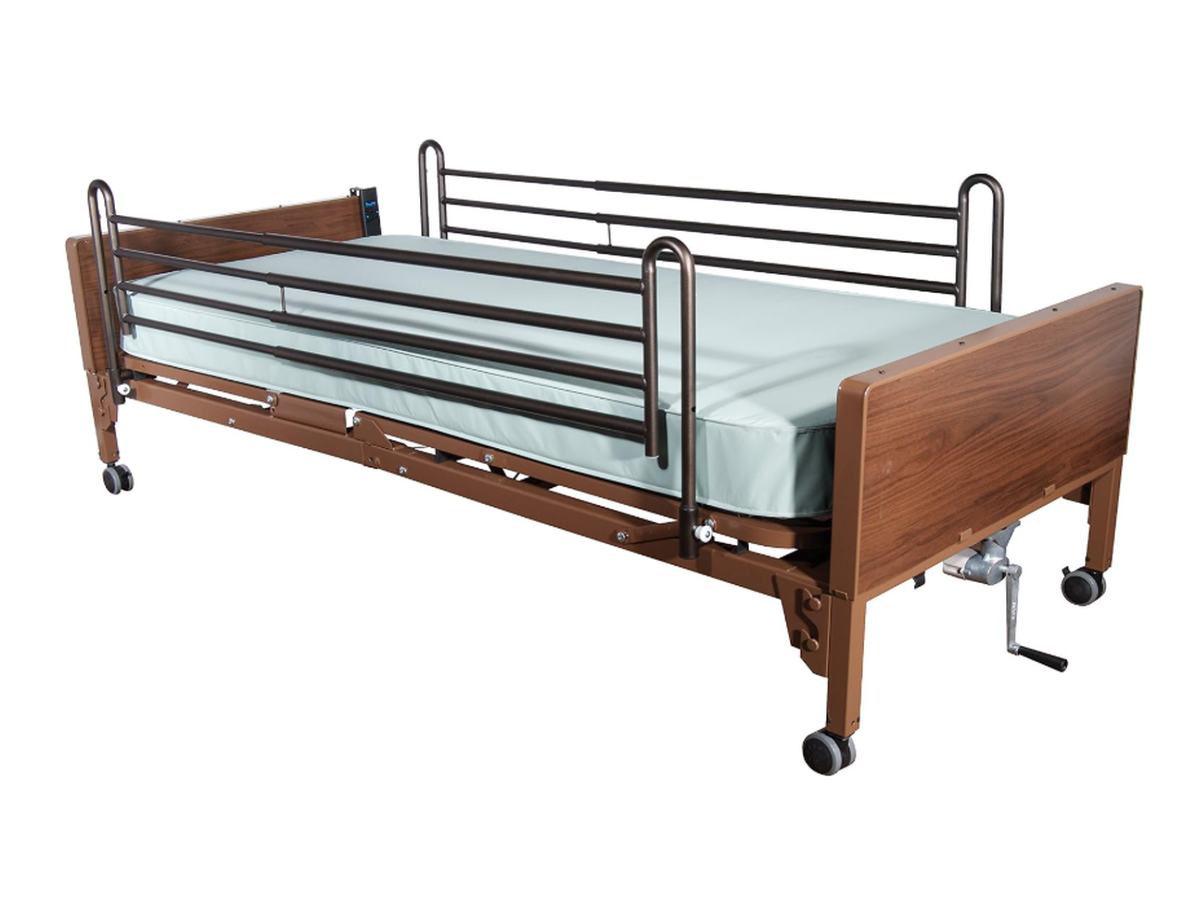
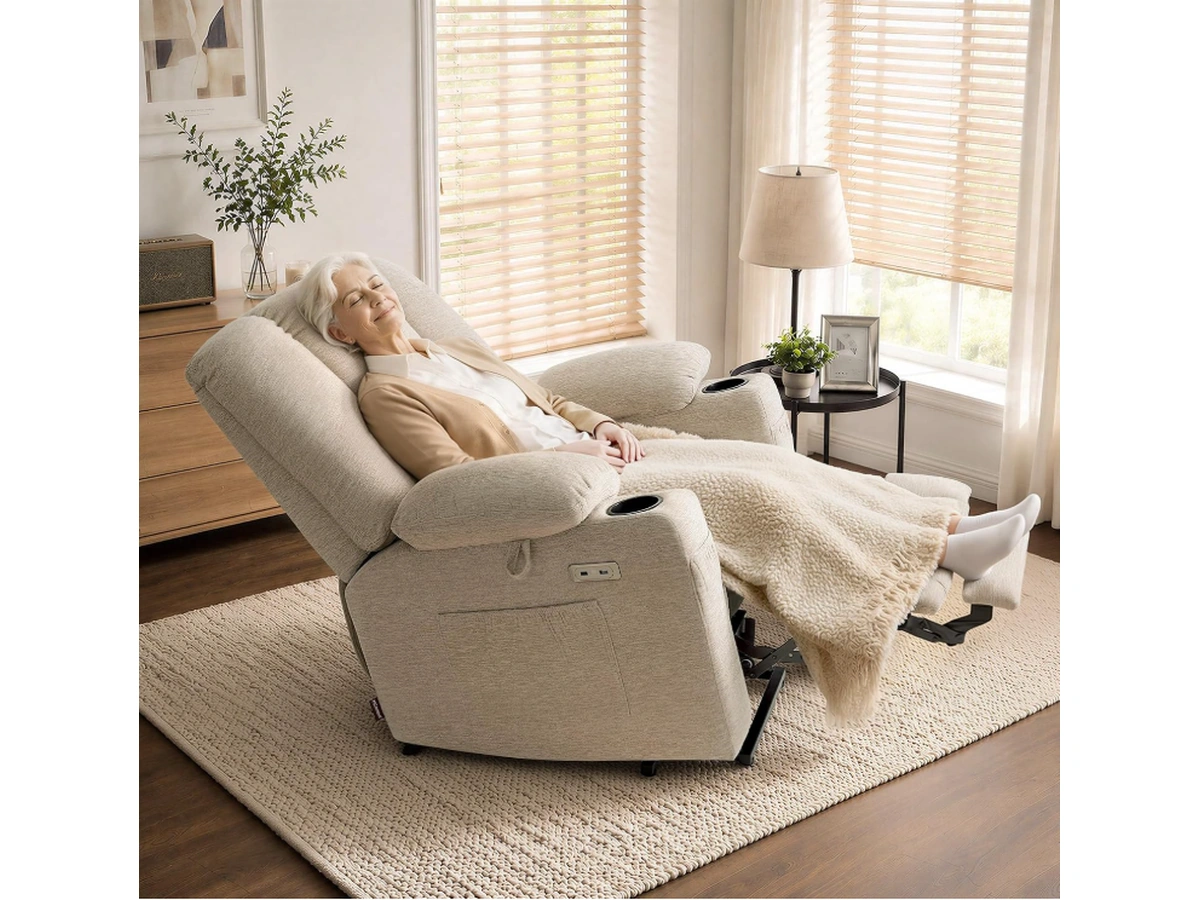
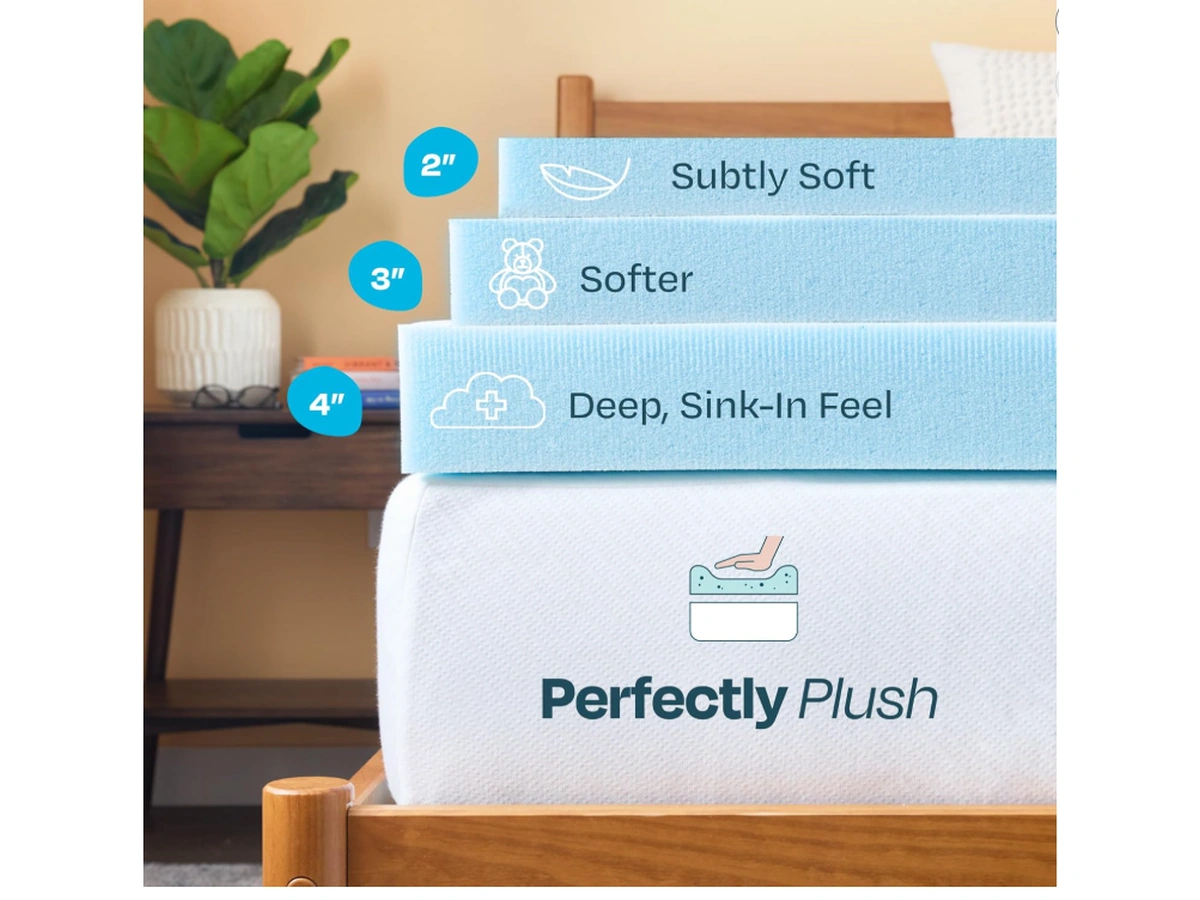
Three different purposes: A full electric hospital-style bed adjusts positioning and, when configured to do so, bed height for care tasks. A power lift recliner raises a suitable seated user toward standing but is not a mechanical patient-transfer lift. A gel memory foam mattress topper adds a comfort layer; it is neither a waterproof mattress protector nor a prescribed pressure-redistribution surface.
Before buying: Check the resident's assessed positioning and transfer needs, mattress and frame dimensions, chair seat height and weight limits, available room space, electrical access, cleaning needs, and manufacturer's compatible accessories. Do not assume that a foam mattress, full bed rails and an additional topper are safe together.
Bed safety: Adding or changing mattresses, rails and overlays can alter dangerous gaps between parts of a bed system. The FDA bed-entrapment guidance recommends evaluating combinations and individual risks with appropriate professional involvement. Compare products in Senior Bedroom & Comfort.